 Cedar Biblical
Interesting Facts · 10 min read
Who Wrote the Bible? Meet Its 40 Authors, From Moses to Malachi
Who wrote the Bible? Meet its roughly 40 human authors in the order they lived — Moses, David, the prophets, the Gospel writers — and see how careful digging resolves the places where Scripture seems to disagree with itself.
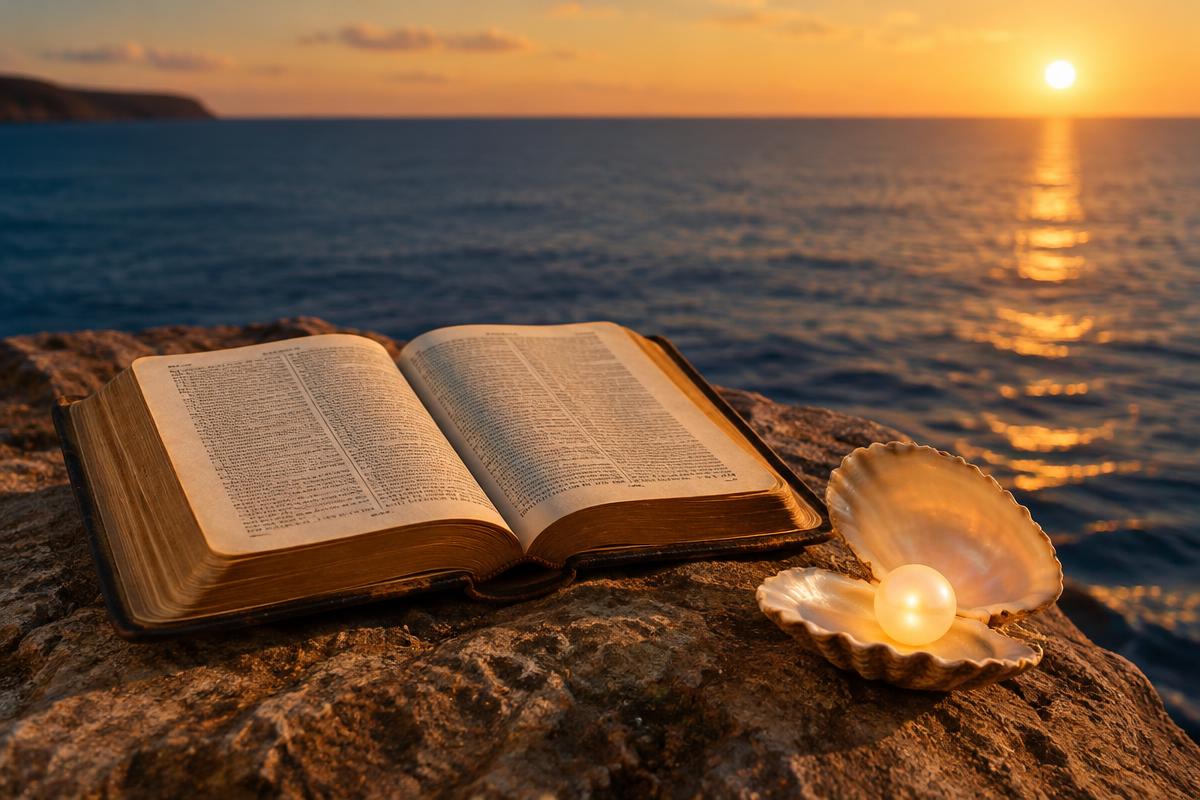
Stand on a beach and you see waves and water. But divers know the real treasures lie far below: pearls, hidden life and sunken riches. The Bible is the same. Many of us read it from the shore, through the stories of David, Solomon, Noah and Job. Dive deeper and you find truths hidden beneath every page.
And deep water is where the hard reading begins. Careful readers soon notice verses that seem to pull against each other: a death described two ways, a command to answer a fool and a command not to, a Jesus who says He is not going to a feast and then goes. Read from the shore, these look like contradictions. Read with patience, and they turn out to be two angles on one truth.
1. Truth Scattered on Purpose
Scripture is not an ordinary storybook. It opens to those who seek with the right key: comparing spiritual things with spiritual (1 Corinthians 2:13).
Isaiah 28:10 describes God's method: "precept upon precept, line upon line, here a little, and there a little." Truth is deliberately spread across the whole Bible, so we must search to find it. When two passages seem to disagree, the first question is not "which one is wrong?" but "what is each one holding?"
2. One Event, Many Authors
The prophecies of Christ's birth are divided among Isaiah, Jeremiah, Micah and Hosea. No single prophet held the whole picture.
Read one prophet alone and the message looks incomplete. Lay them side by side and a single portrait appears. What looks like a gap is only a page turn.
3. The First Author: Moses
Before the prophets, before the psalmists, there was one writer tradition places at the head of the list: Moses. The first five books of the Bible — Genesis, Exodus, Leviticus, Numbers and Deuteronomy — carry his name, and for centuries readers have also credited him with Job, the book that asks the hardest question of all: why do good people suffer?
Moses wrote from the inside of the story. He had been raised in a palace, run for his life into the desert, and spent forty years tending sheep before a voice in a burning bush sent him back. That is a man with time to think, and a lifetime of material: a crossing sea, a mountain shaking under thunder, forty years of complaints and manna and wandering.
He wrote with a shepherd's patience and a witness's honesty. He did not tidy himself up. The same pen that records "the LORD spoke to Moses" also records his own temper, his own excuses, and his own failure at the waters of Meribah. A made-up hero gets better as the story goes on. Moses gets smaller — and the God he writes about gets bigger.
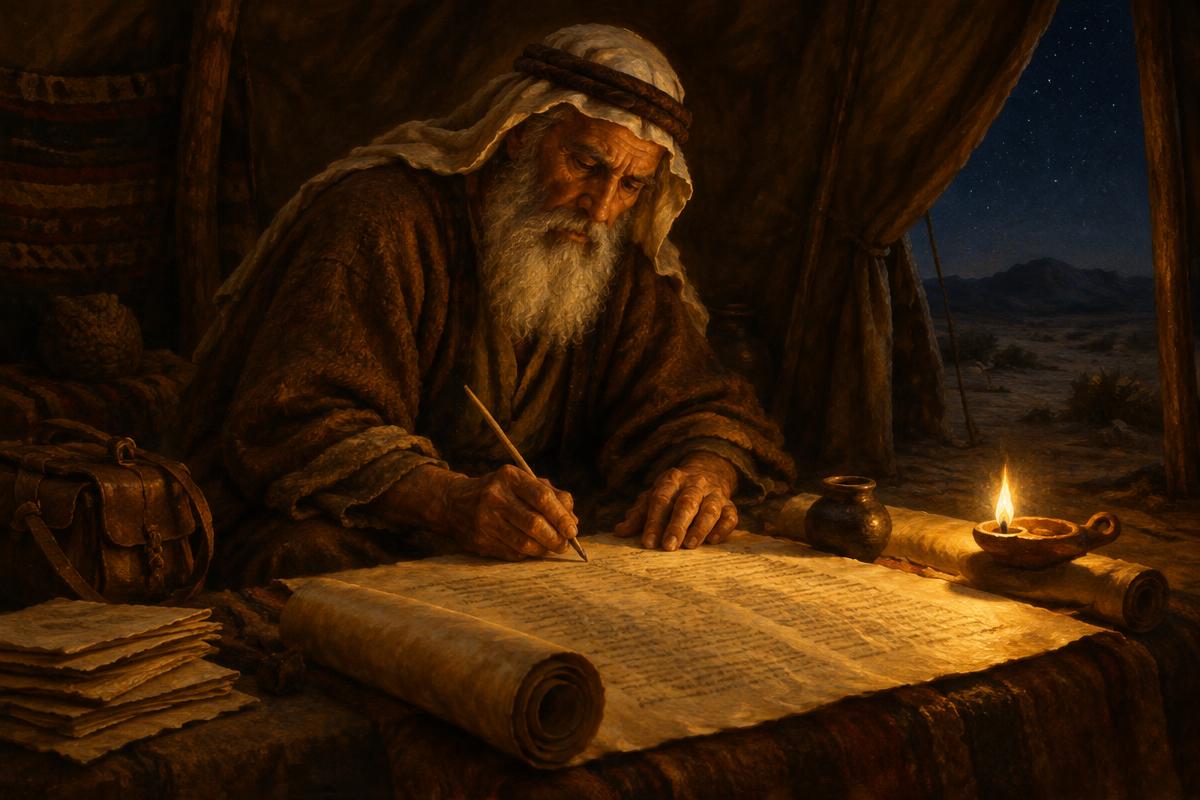
Now here is a verse that stops careful readers cold. Deuteronomy 34 tells how Moses died, was buried, and "the LORD buried him." The writer describes his own funeral?
Read it slowly. Moses is the author of the five books, but that does not mean every last line was written by his hand before he died. The closing pages of a book can be added by the one who inherits it — and Israel's tradition names Joshua as the one who finished the scroll, under the same Spirit that guided the writing. It is like a biography whose final chapter is written by the assistant who was there. Nothing contradicts; the book simply passed from one hand to the next.
The same is true of Job. The book never names its writer. Moses is a strong, ancient guess — a man who knew Egypt, knew the desert, knew suffering at first hand, and knew a God who answers out of a whirlwind. But the text itself leaves the pen anonymous, and careful reading is content to leave it there.
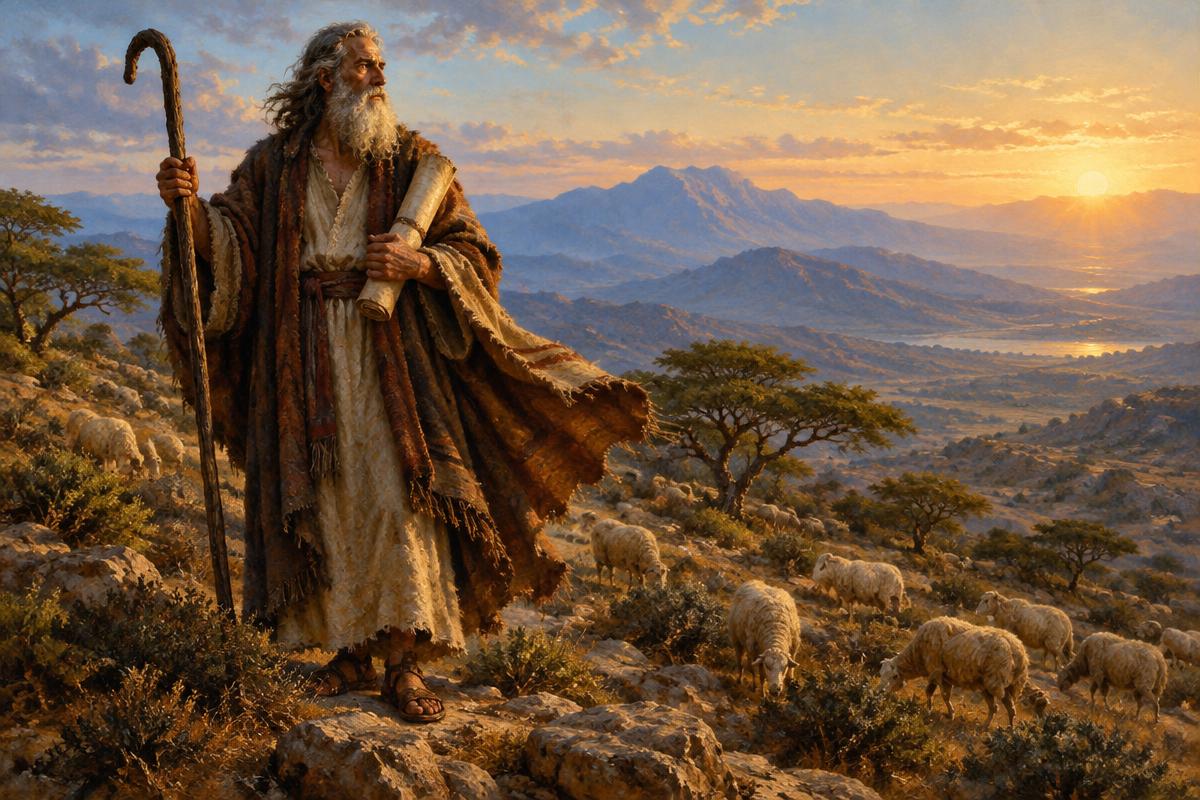
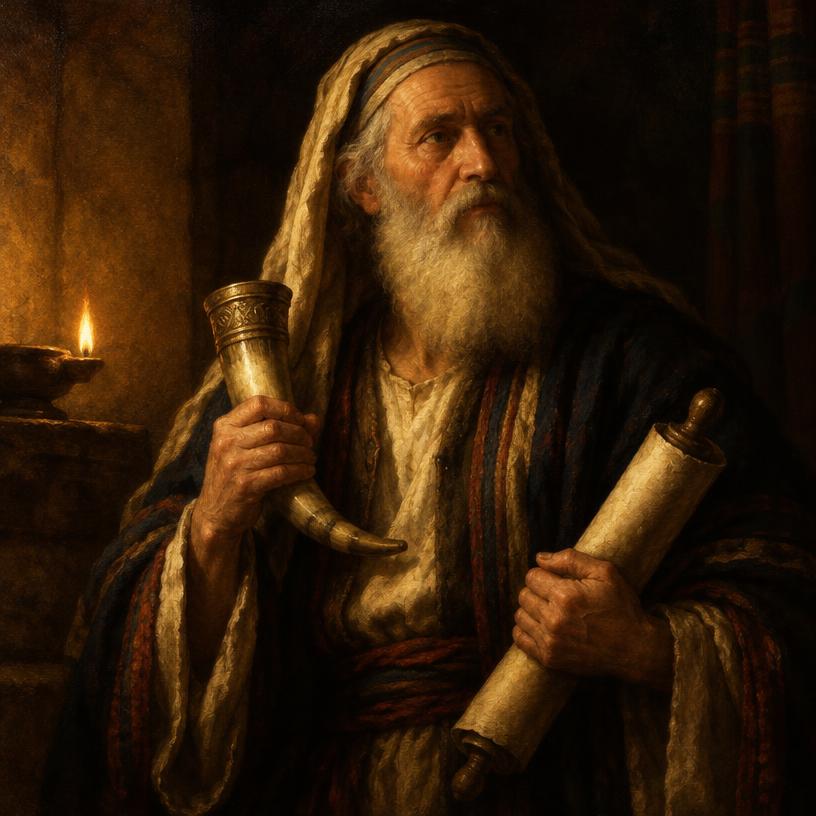
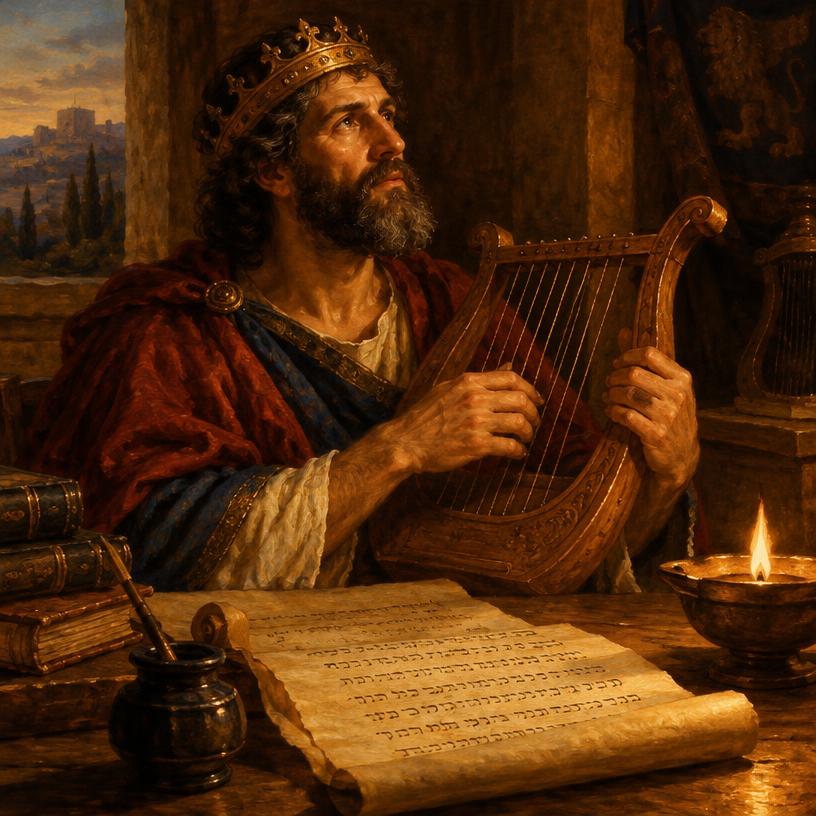
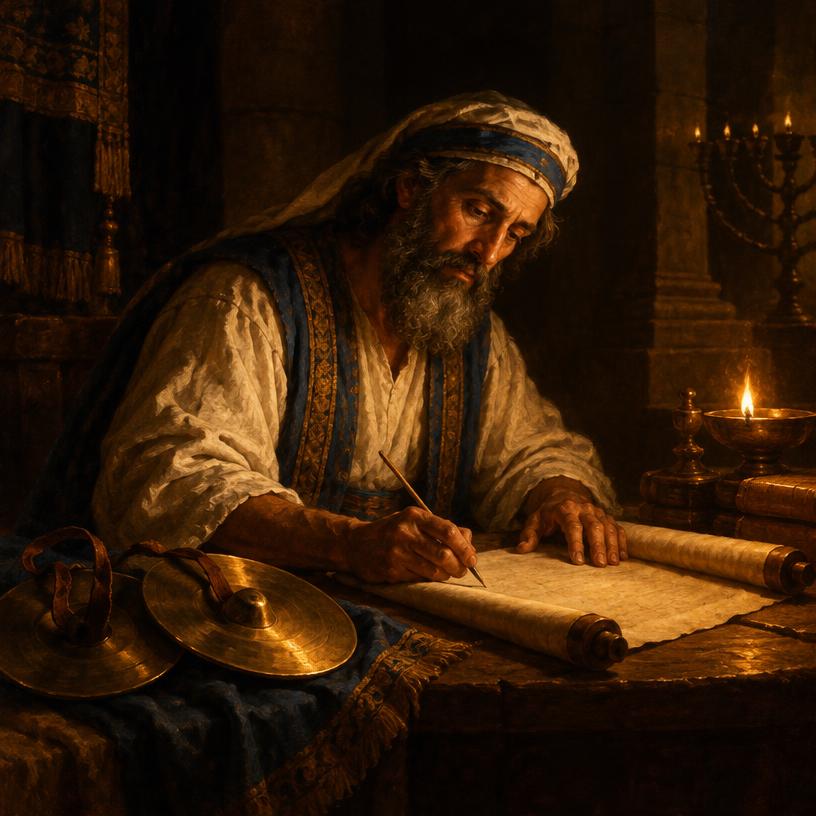
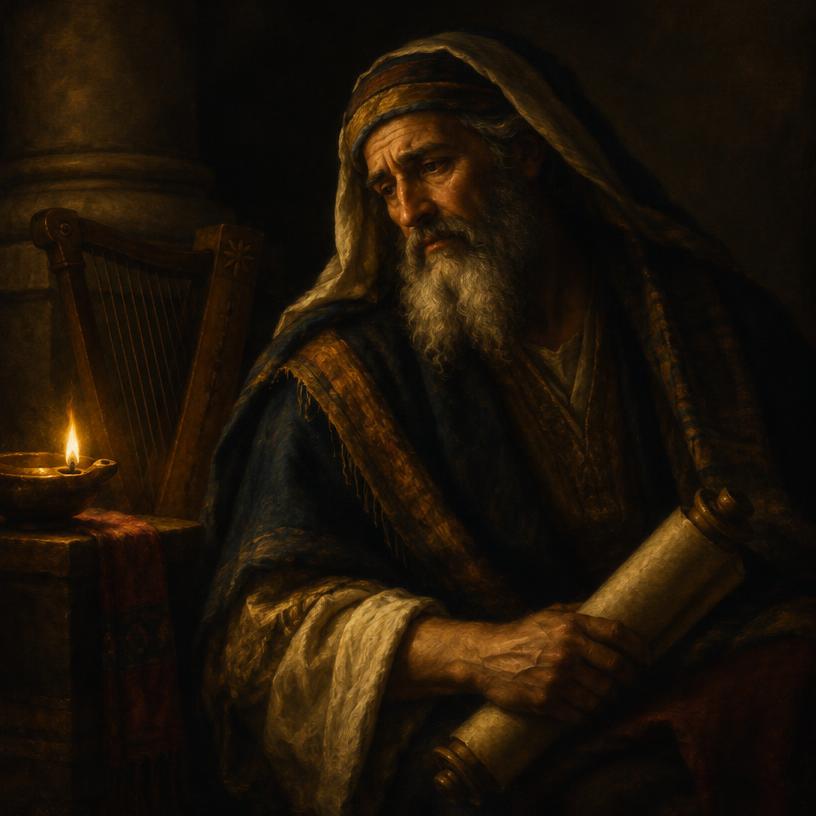
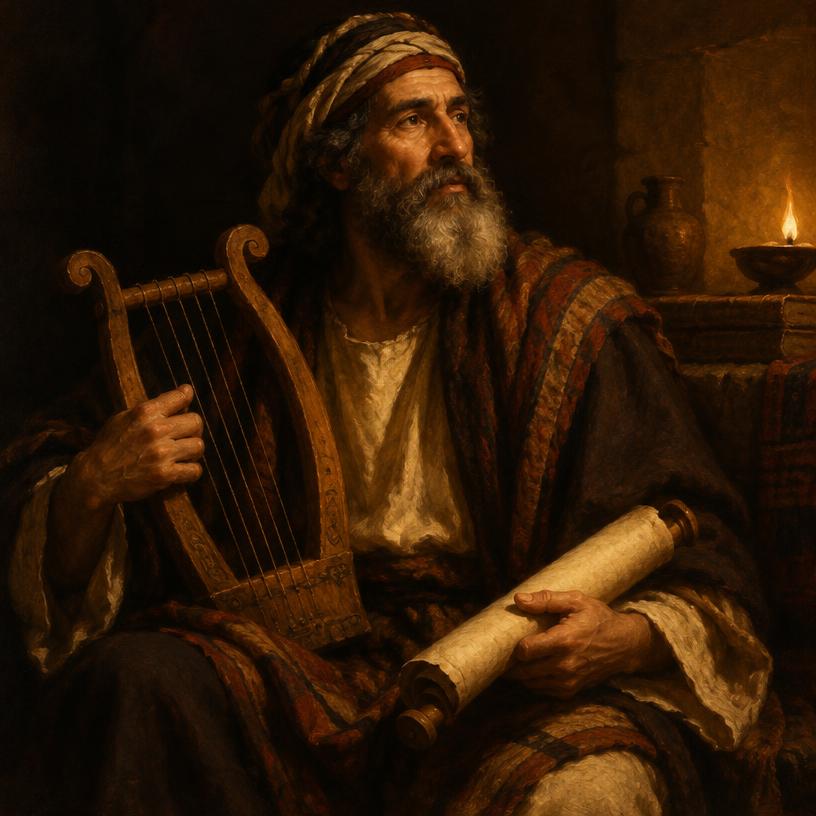
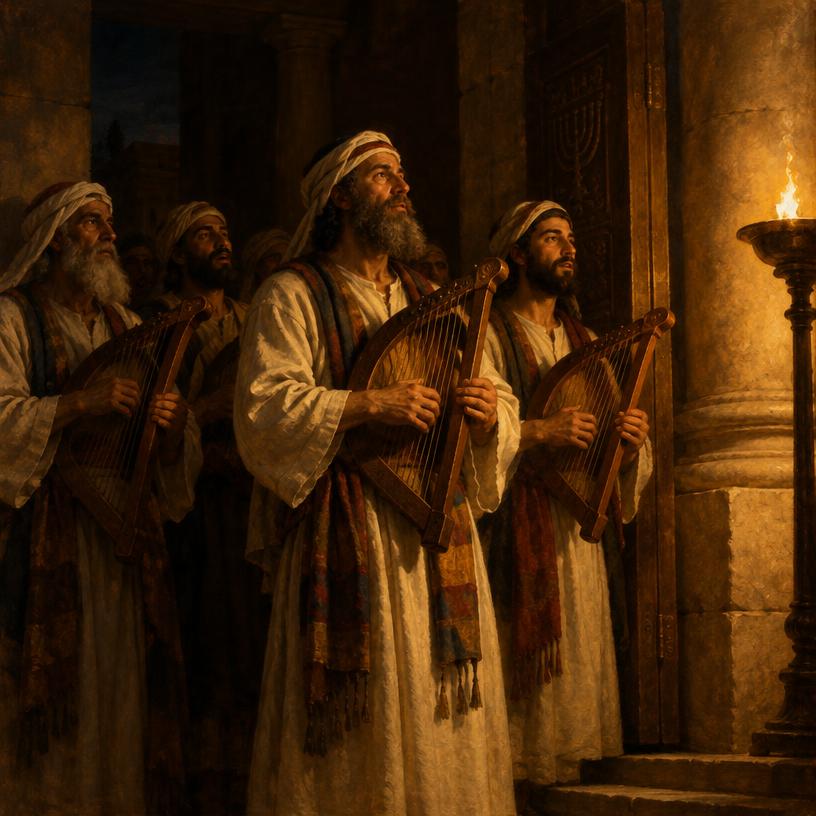
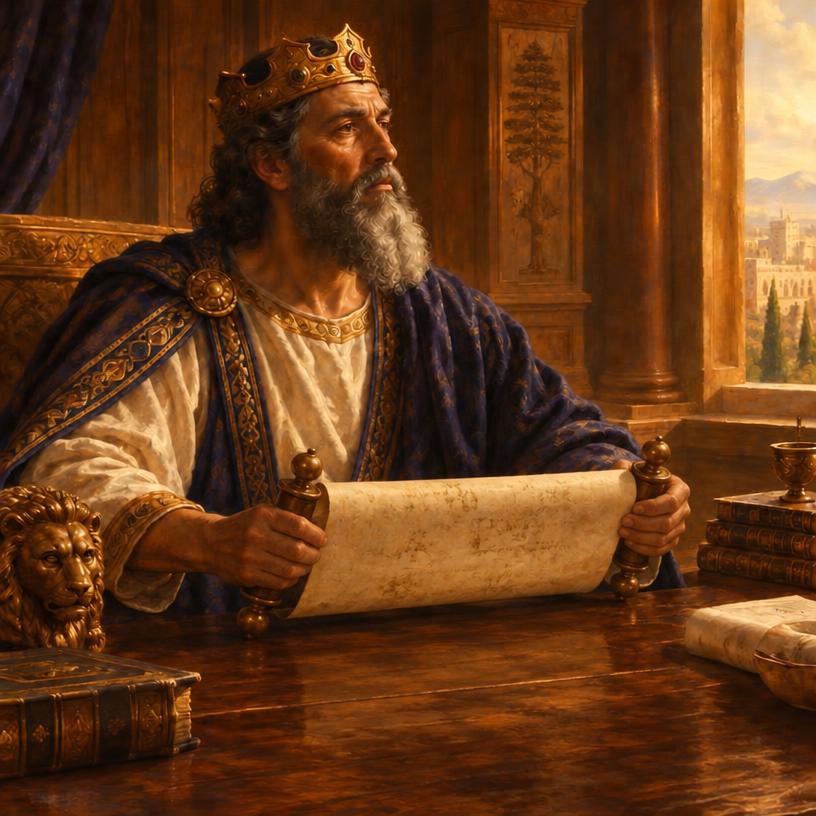
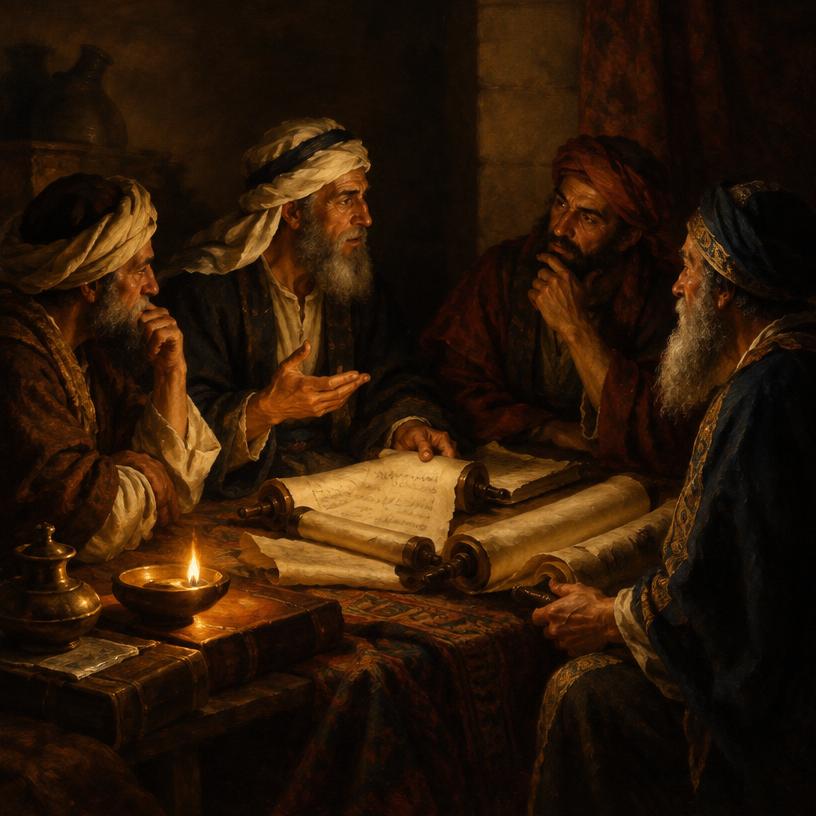
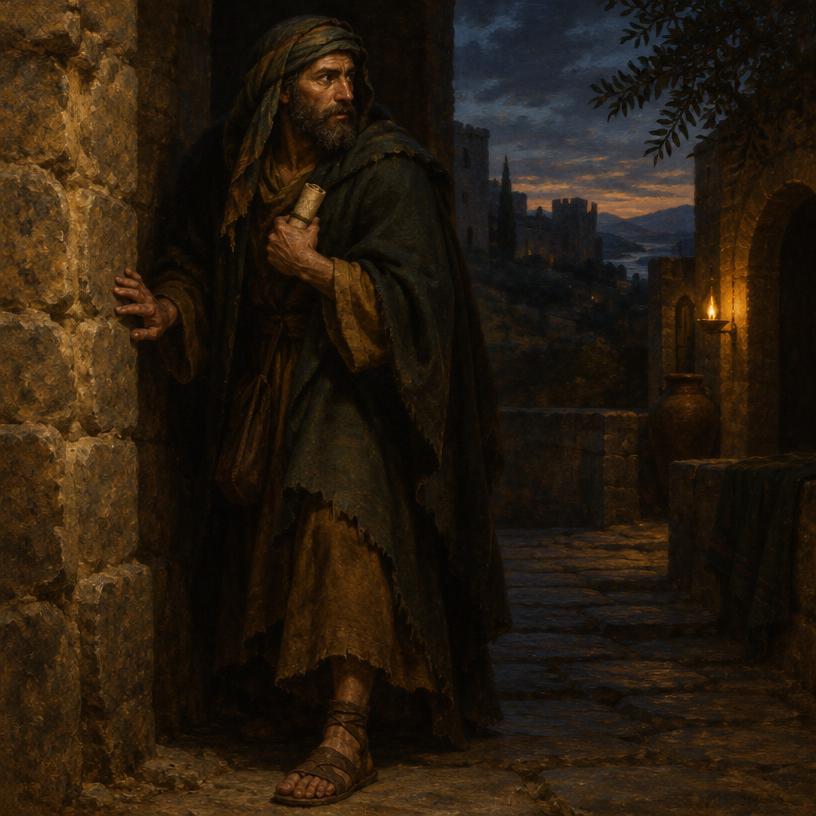
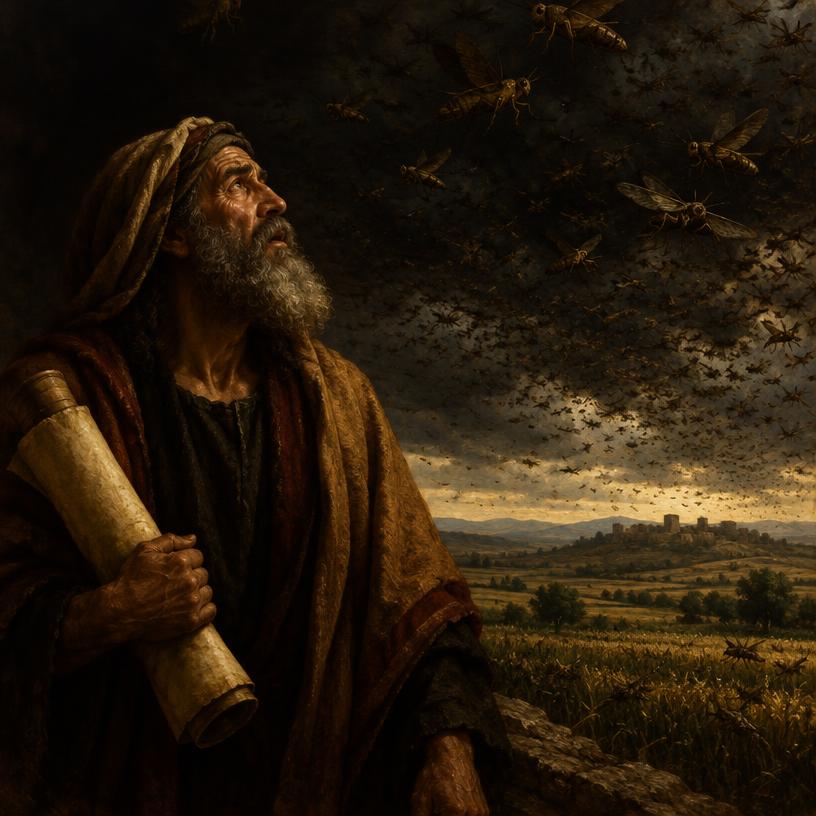
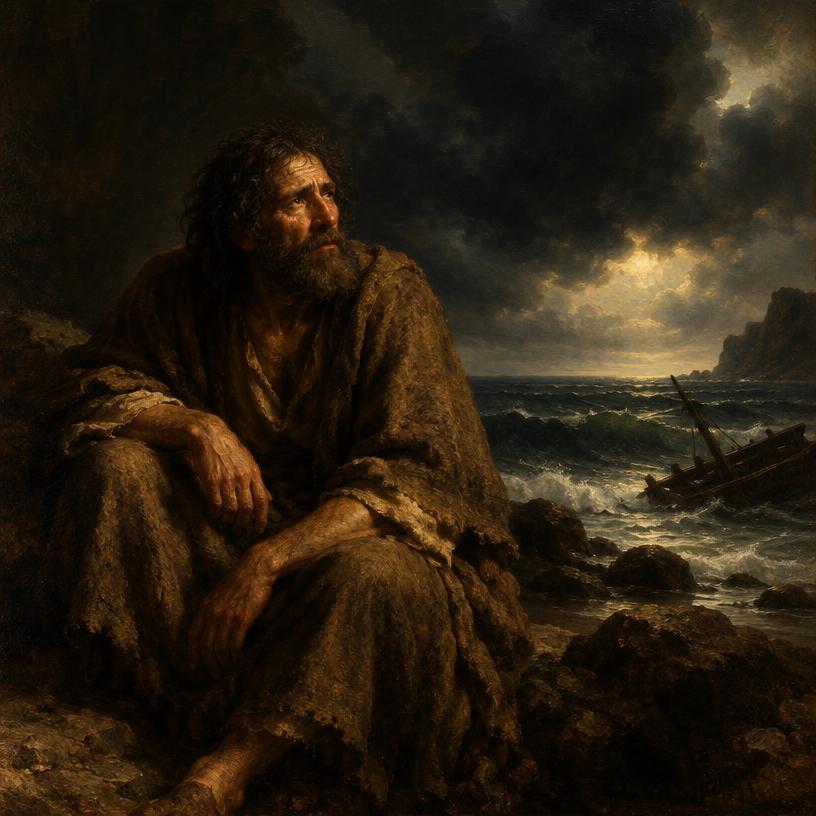
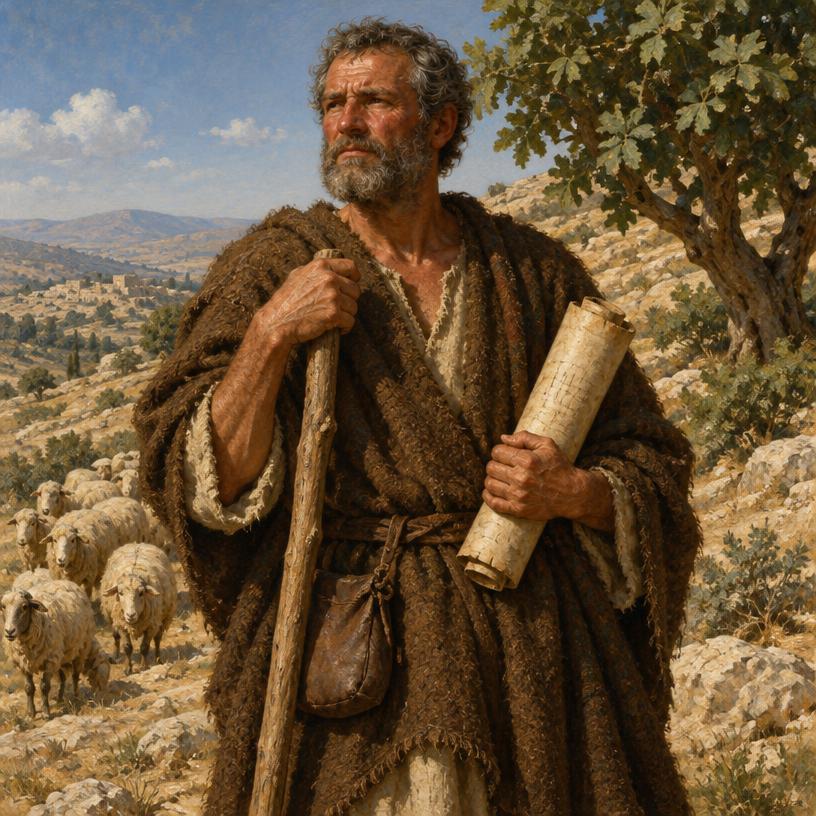
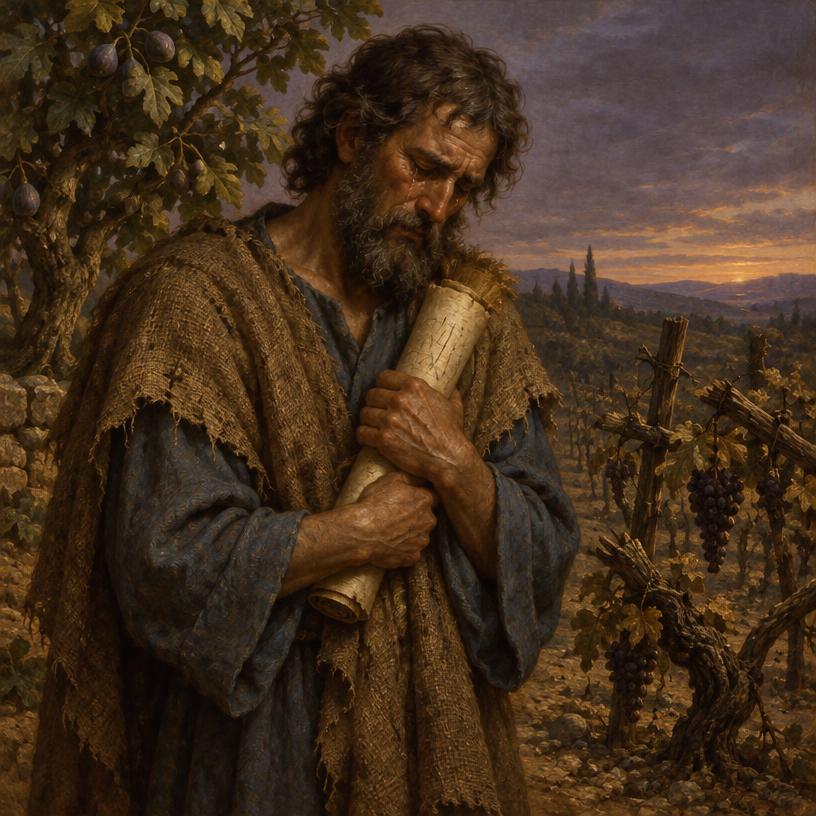
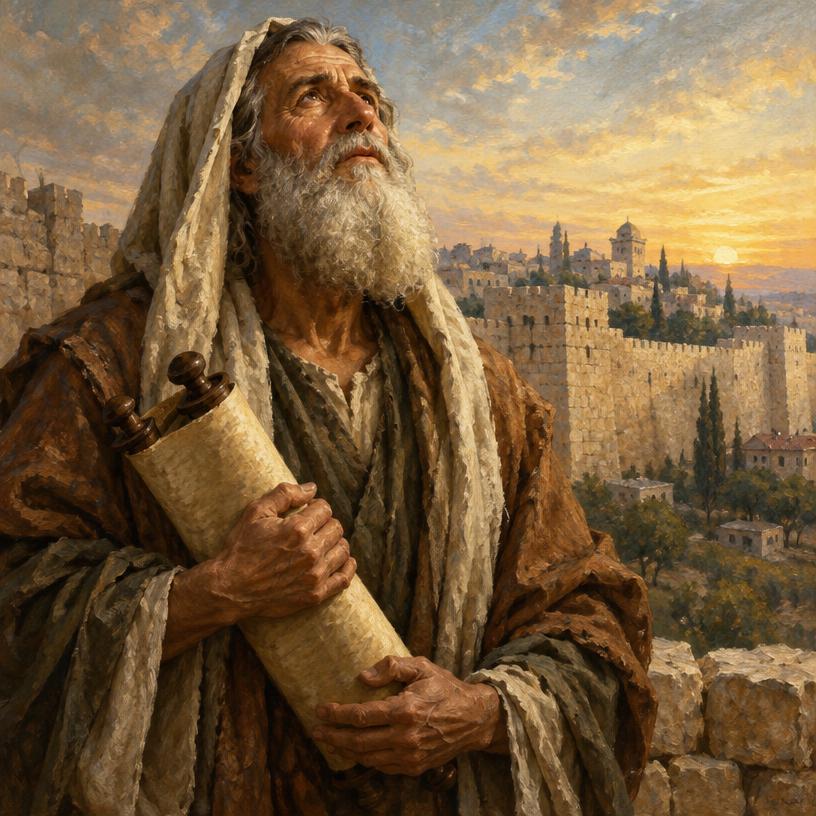
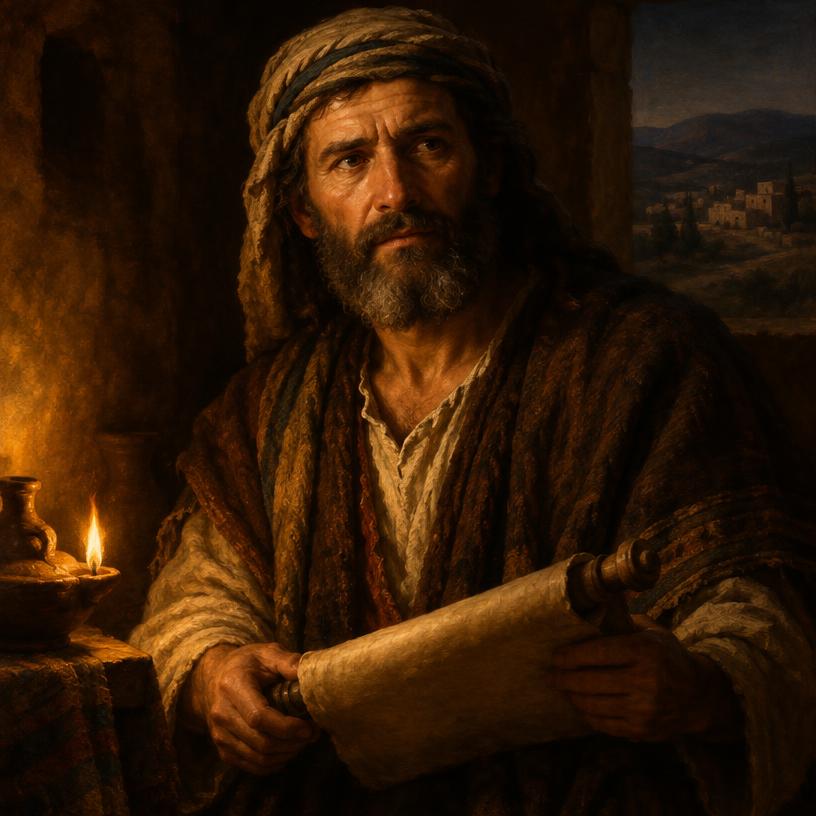
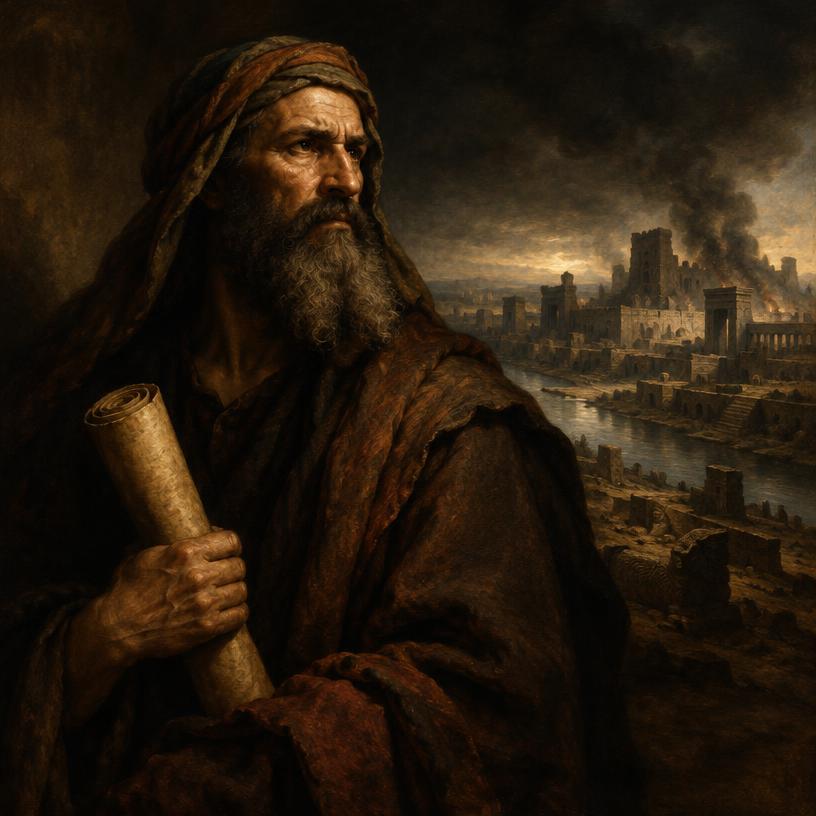
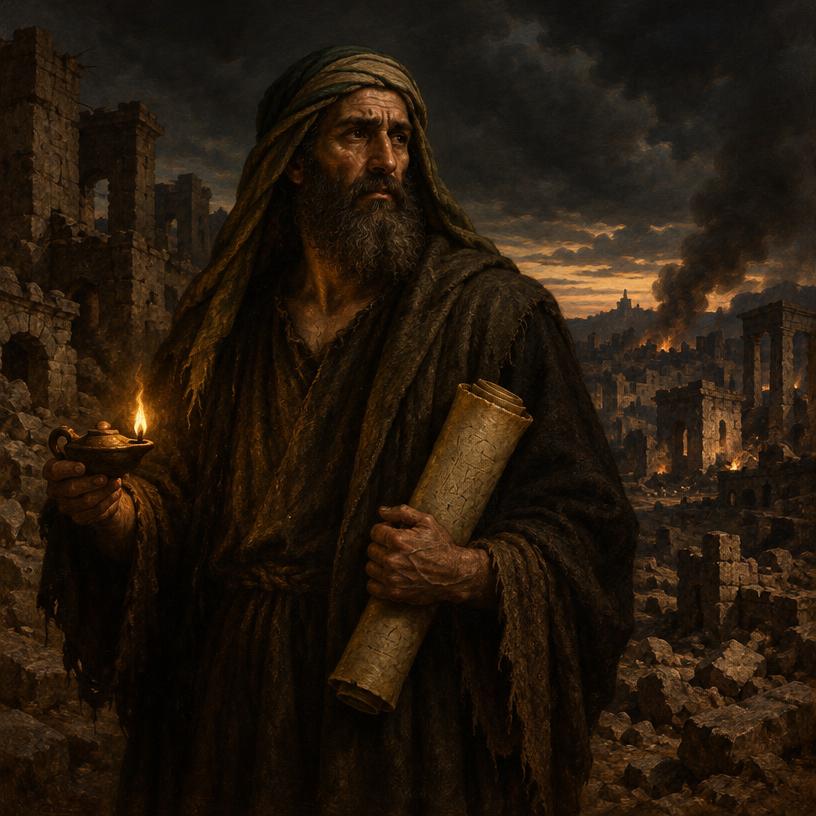
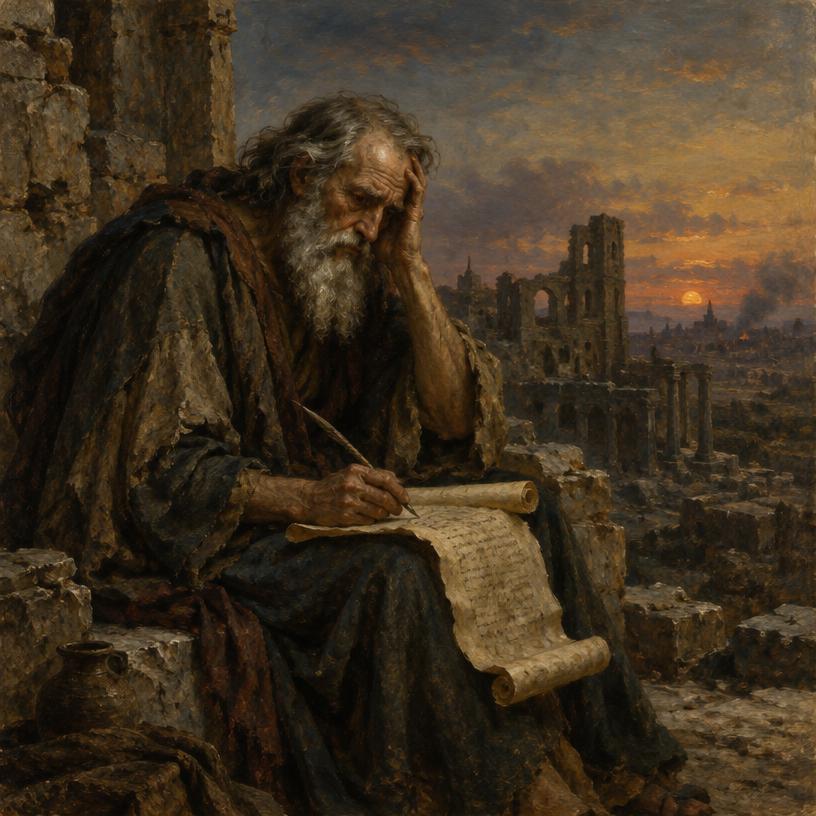
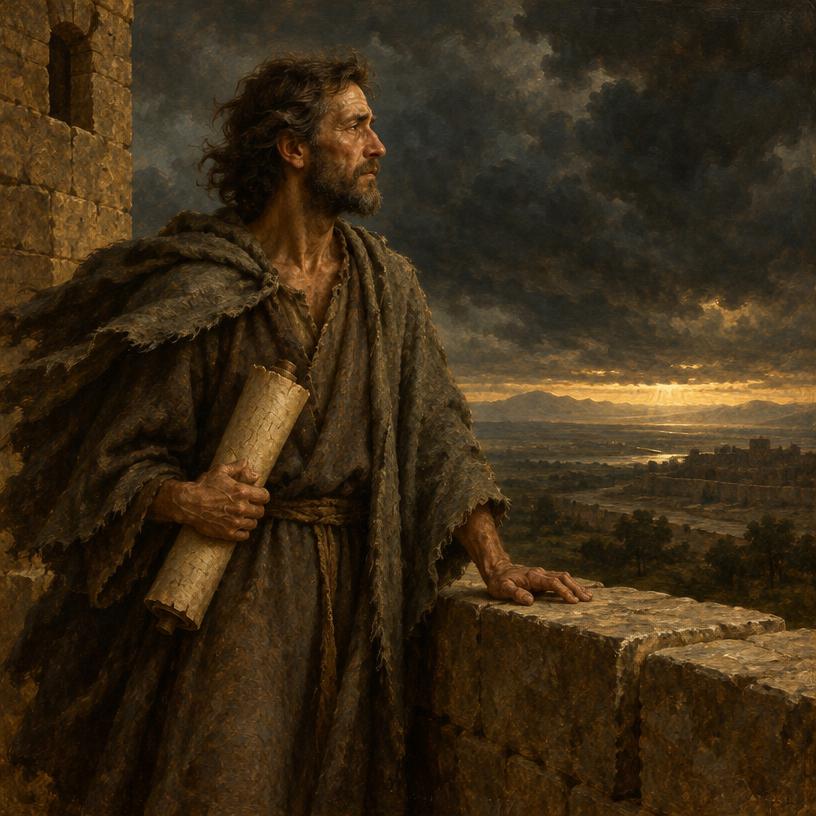
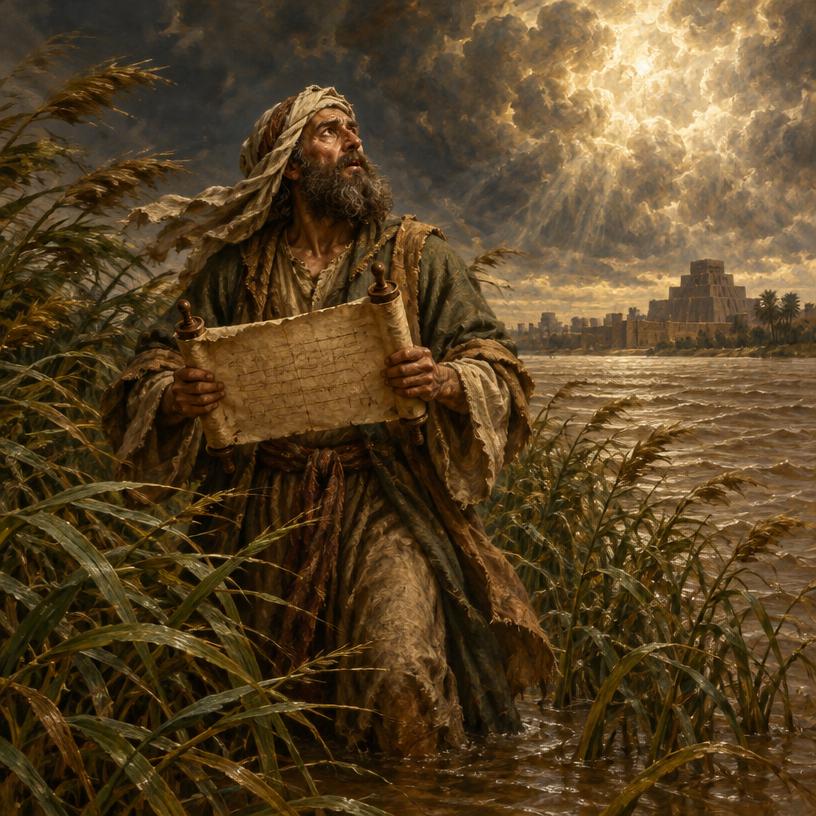
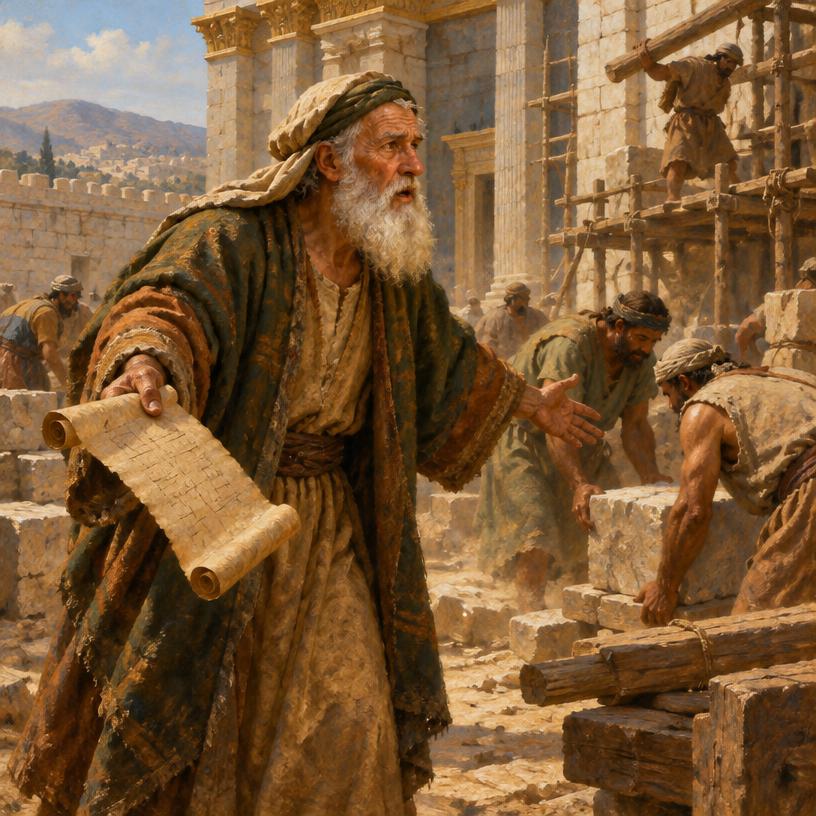
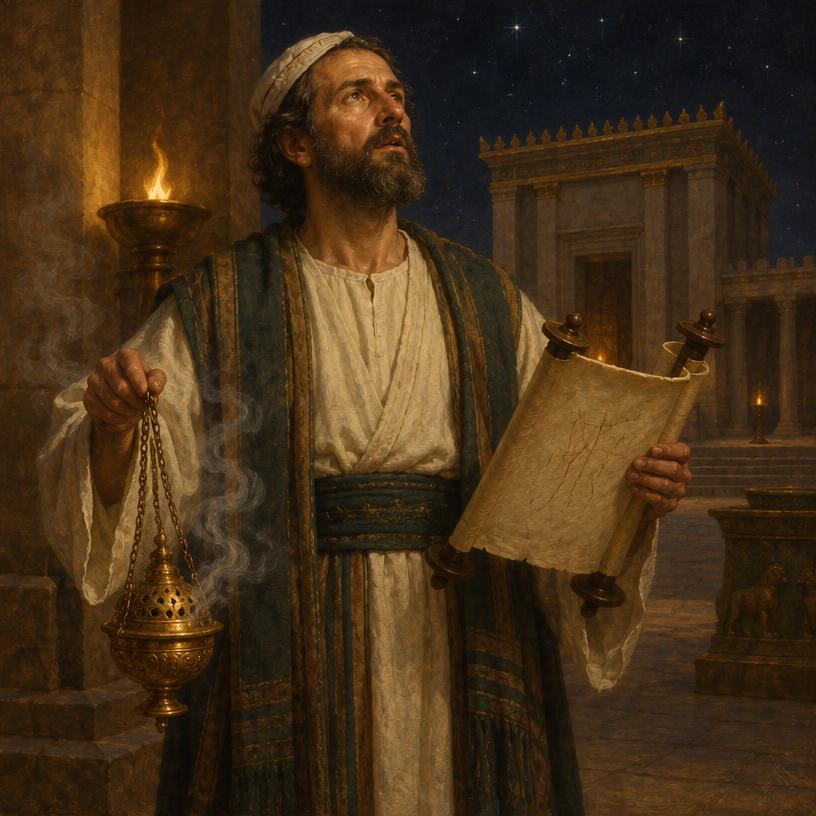
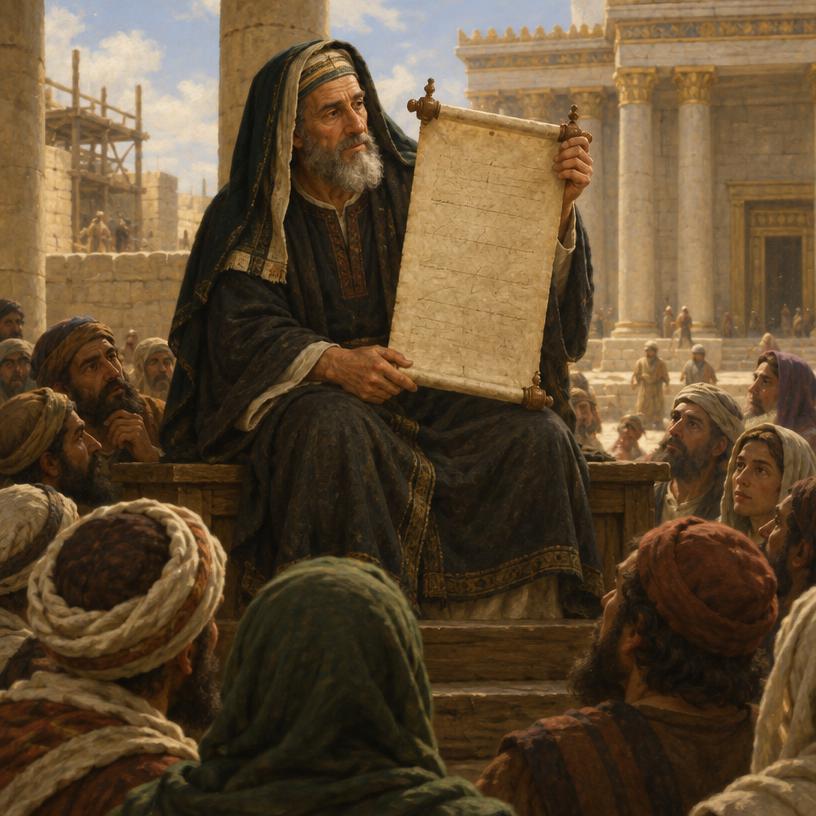
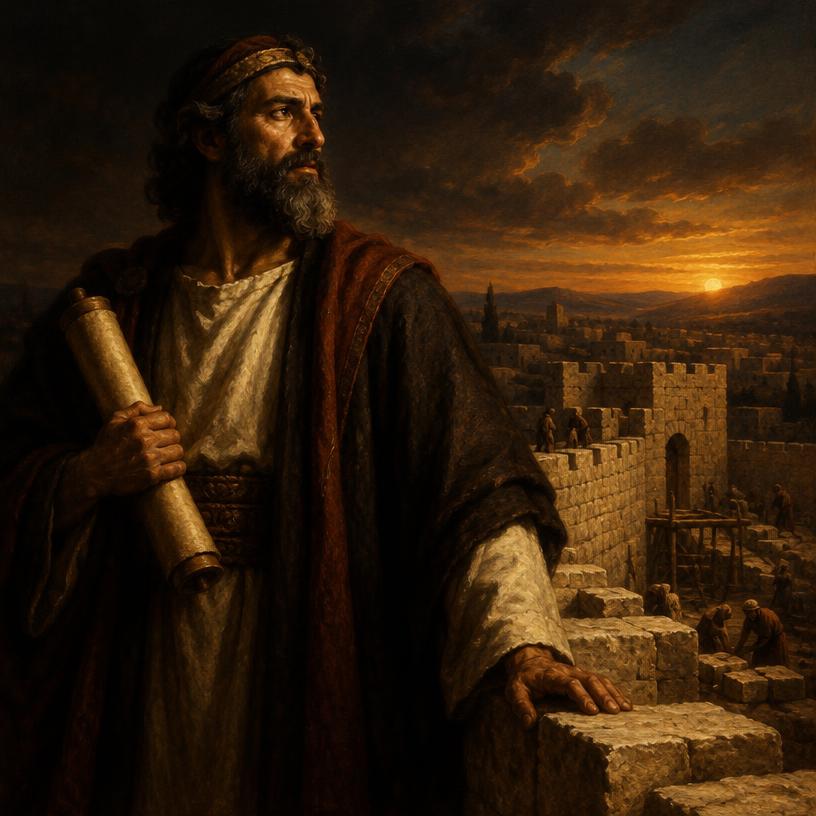
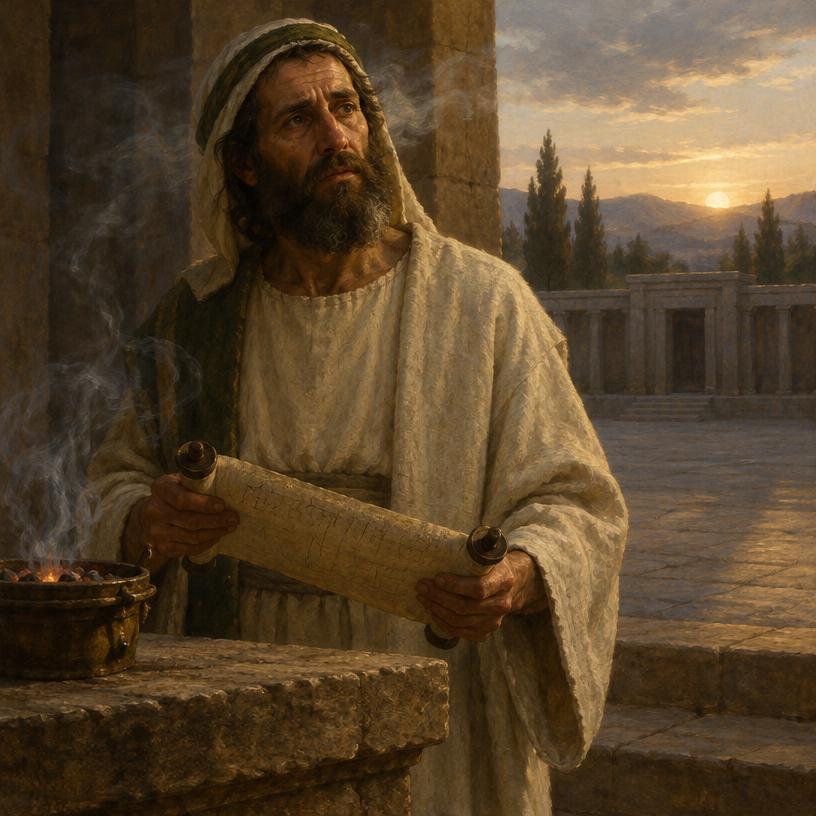
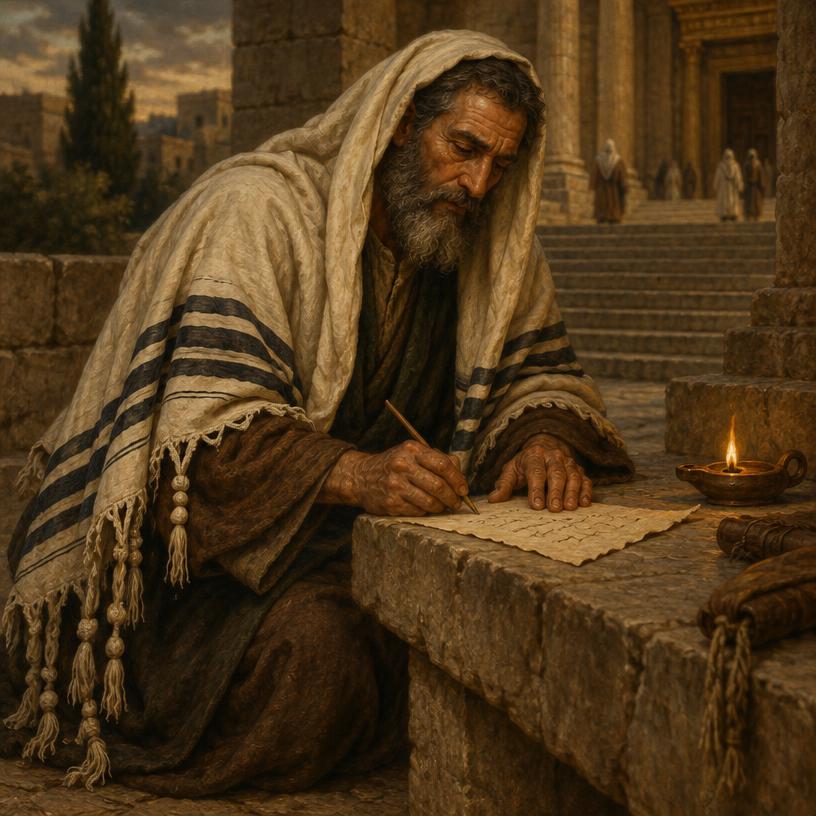
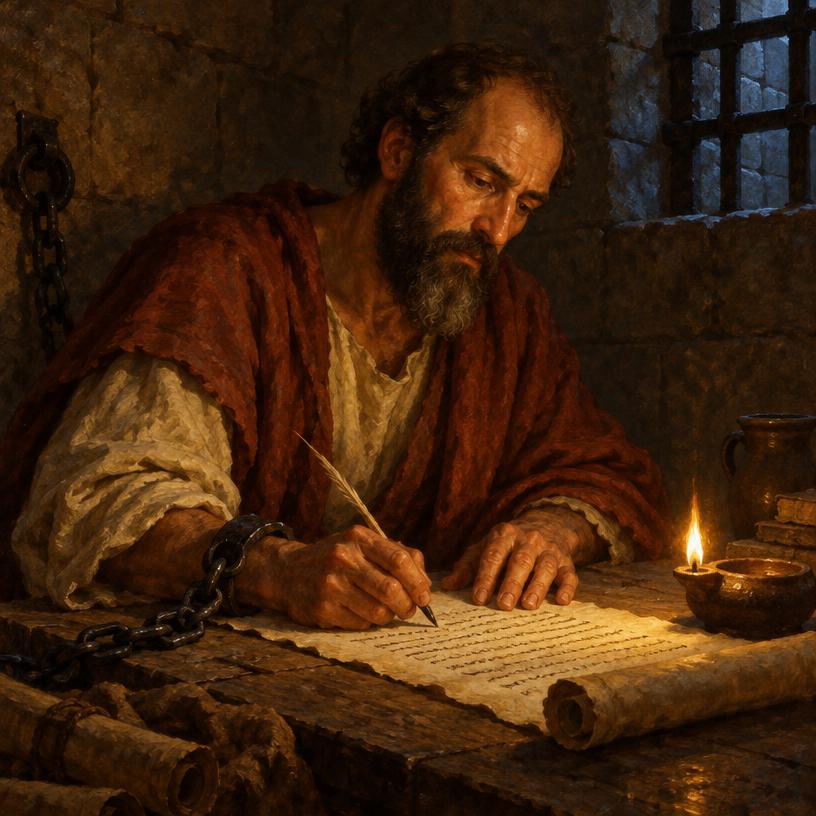
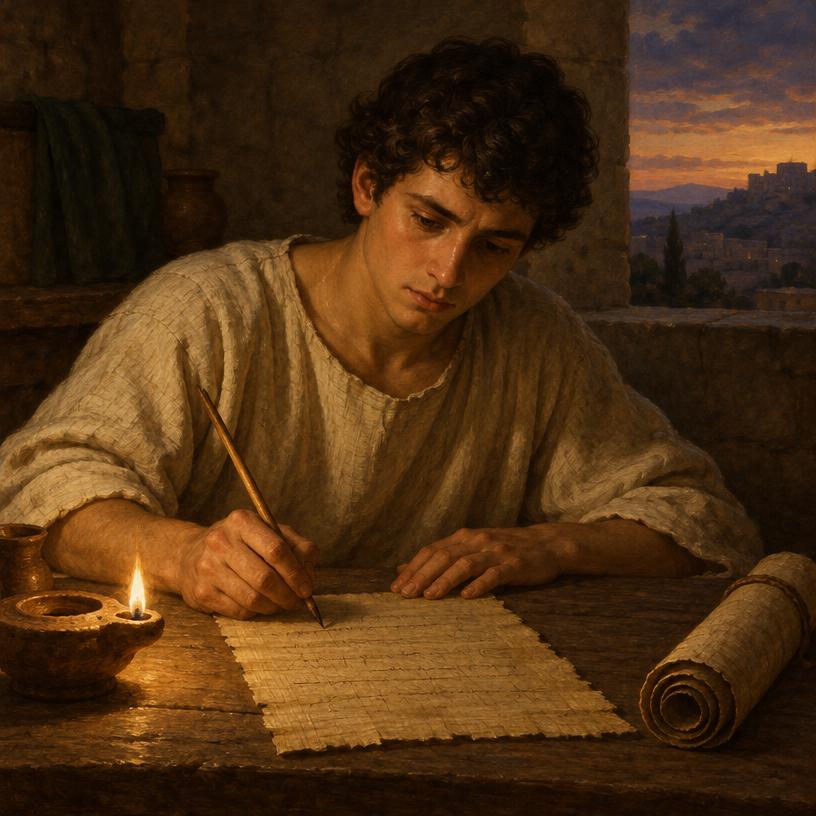
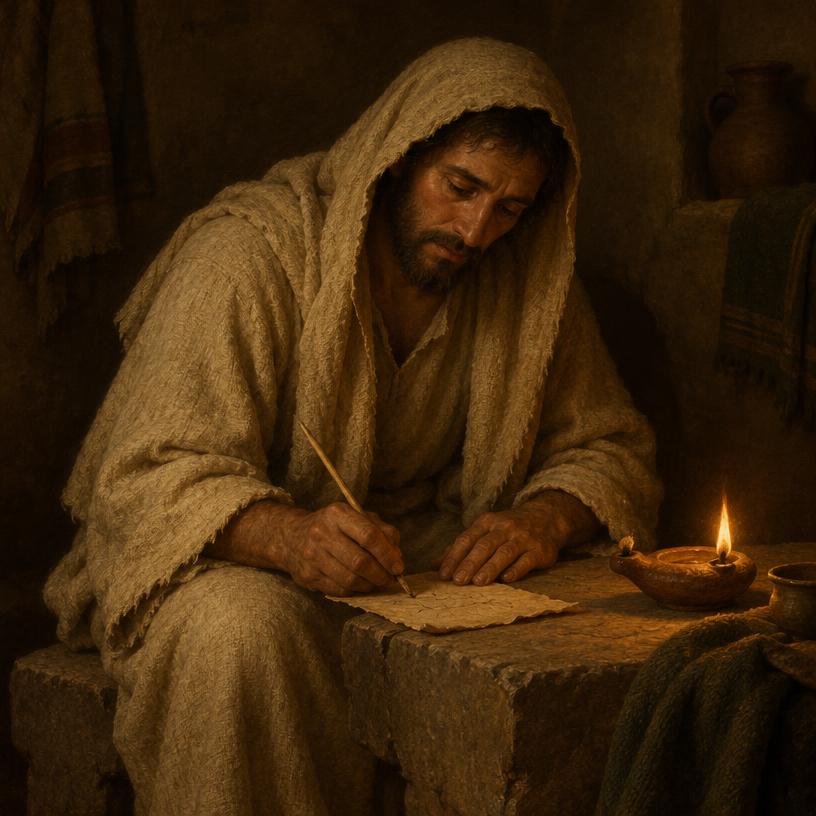
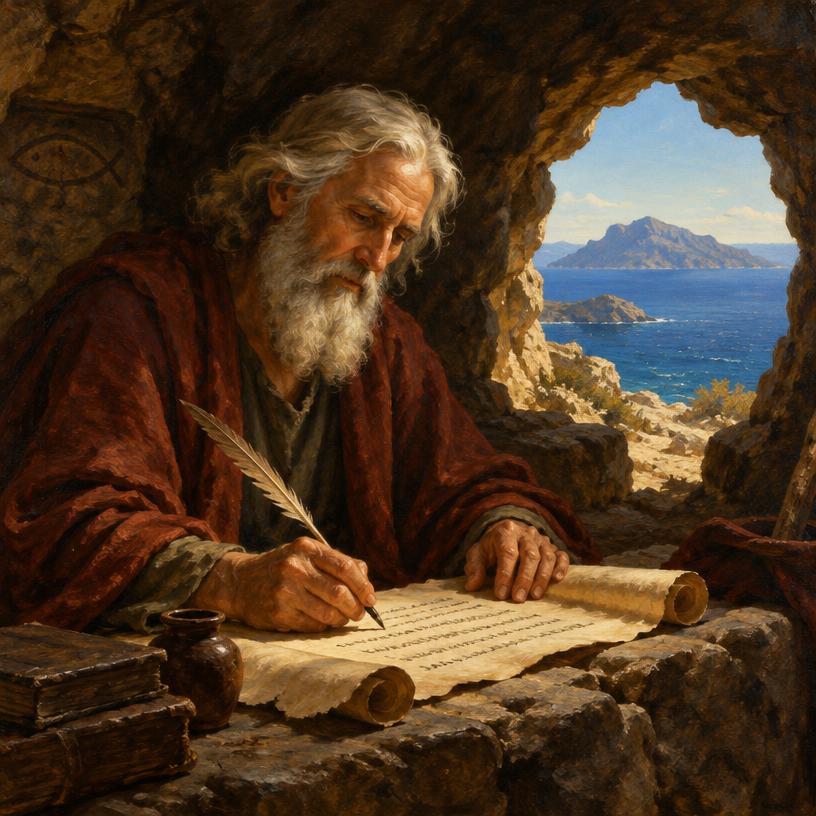
We have no portrait of Moses. Nobody painted him, and no sketch survived. The pictures above are imagined — a scribe by lamplight, a shepherd on a hillside with a scroll in his hand. They are drawings of a tradition, not photographs of a man. And that is fitting: the writer of Genesis never bothered to describe his own face.
The Authors Who Followed
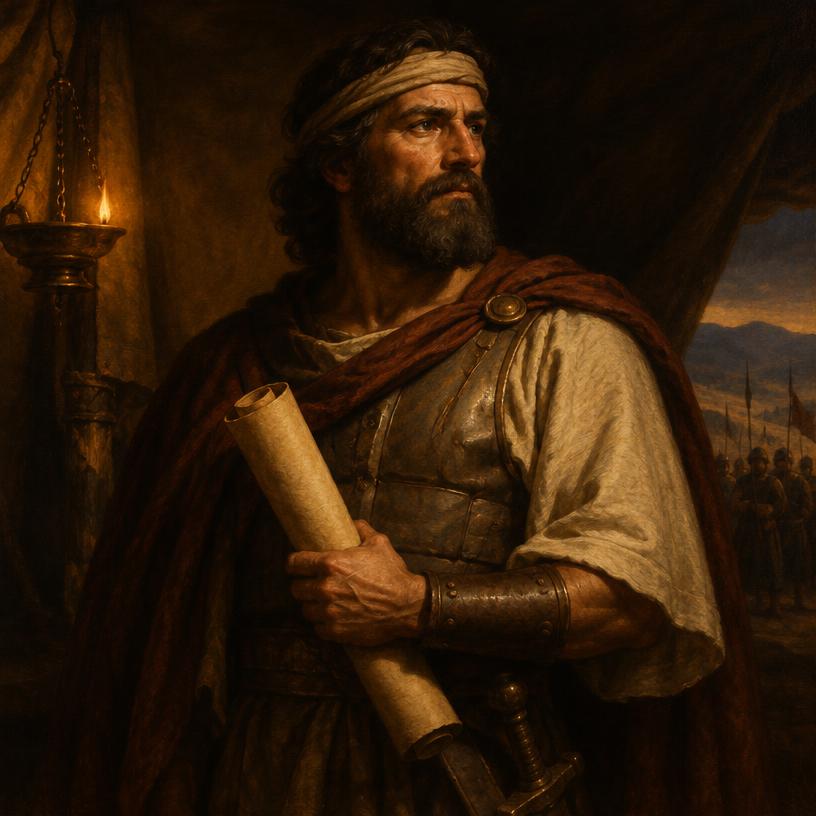
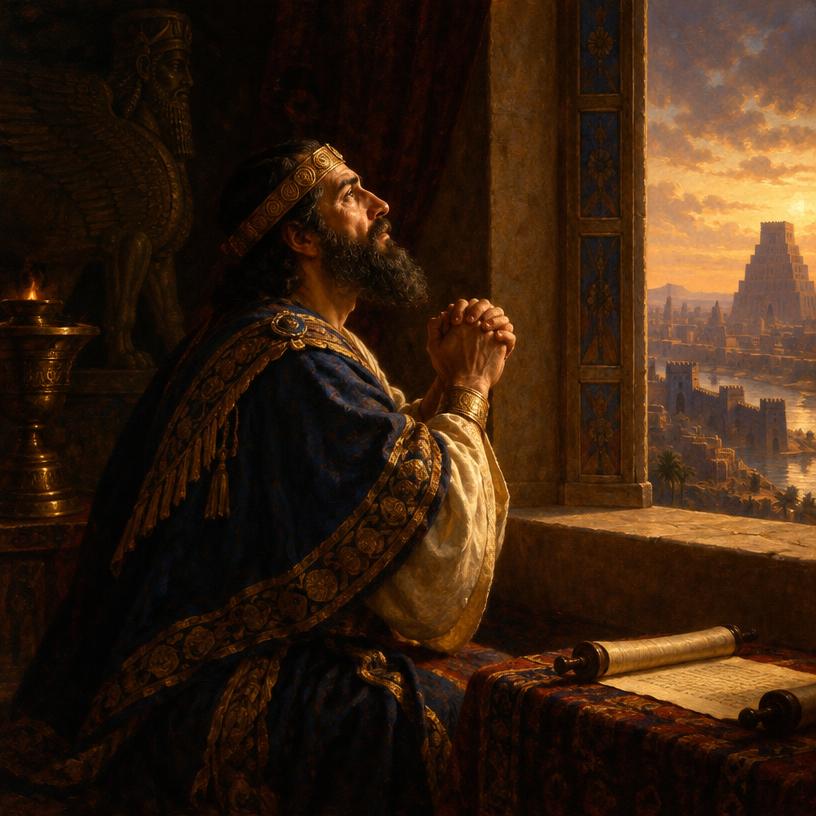
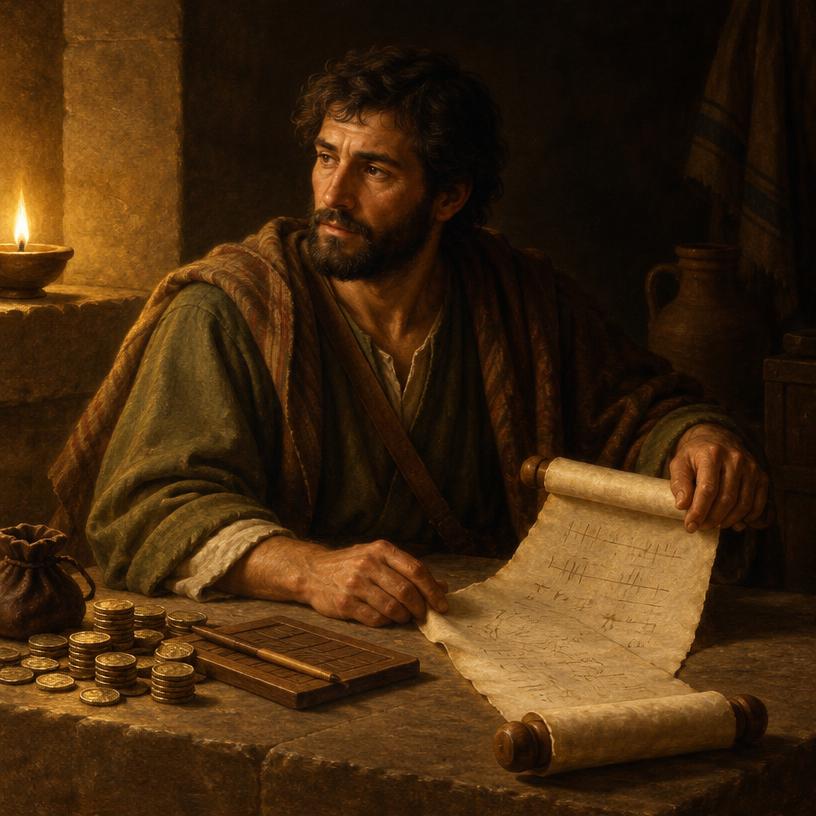
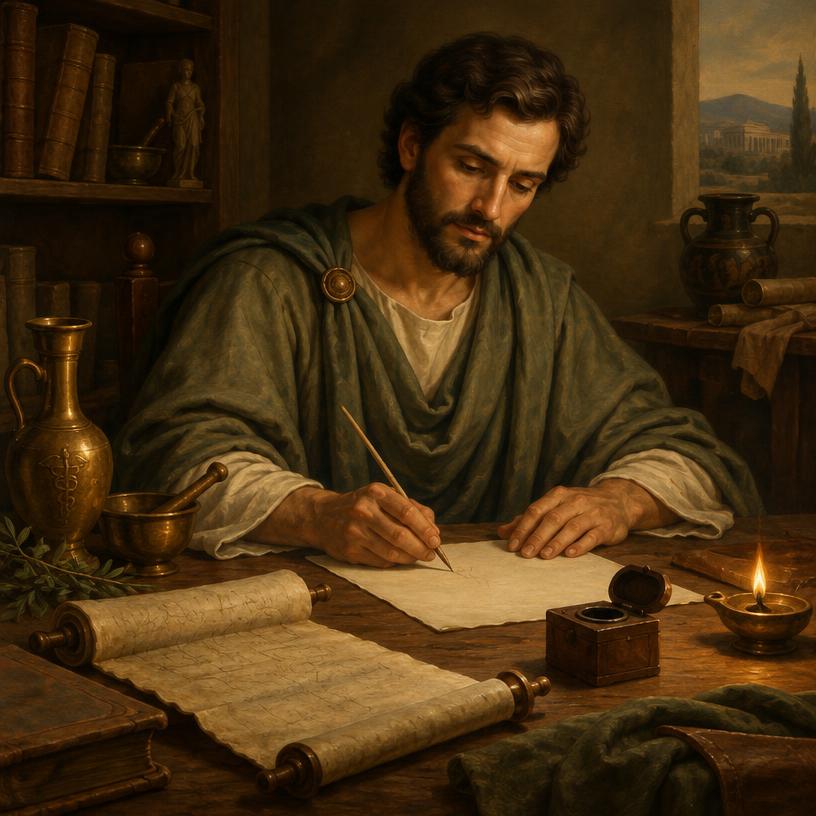
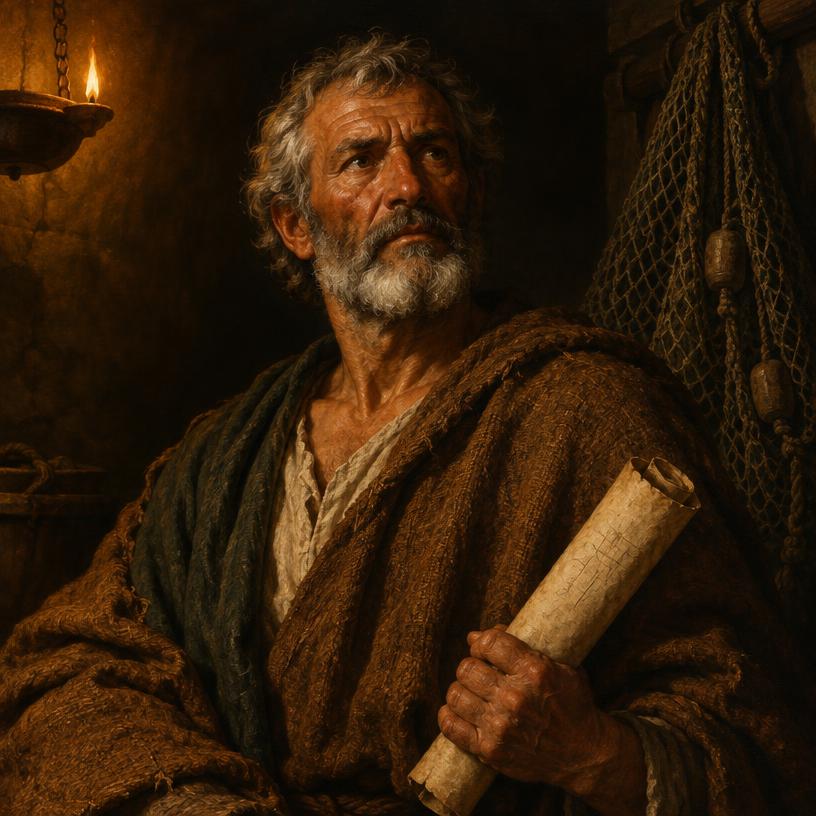
Moses was only the first. Over some fifteen centuries, around forty writers added to the same story: kings and shepherds, prophets and fishermen, a tax collector and a doctor. Here they are in the order they lived, as near as careful study can place them. Every picture is imagined; none left a portrait, and some dates are still debated.
The Conquest and the Kingdom (c. 1400–930 BC)
Joshua carried the story into the land. Samuel bridged the judges and the kings. Then came the singers: David and the temple musicians he appointed, Asaph, Heman, Ethan and the Sons of Korah, whose songs fill the Psalms. Solomon, his son, gathered wisdom into Proverbs, Ecclesiastes and the Song of Solomon, with other sages such as Agur and King Lemuel adding their sayings. Job's writer remains unnamed.
The Prophets Before the Exile (c. 850–600 BC)
As the kingdom divided and drifted, God sent prophets to both halves of it, warning, pleading, and pointing to a coming King.
Exile and Return (c. 605–430 BC)
In Babylon, Daniel and Ezekiel wrote among captives. When the people came home, Haggai and Zechariah stirred them to rebuild the temple, Ezra taught the Law again, Nehemiah raised the walls, and Malachi closed the Old Testament.
The New Testament Writers (c. AD 45–95)
Four hundred quiet years later, a new set of pens took up the story. In the likely order they wrote:
Forty hands, one voice. That is perhaps the deepest treasure of all.
4. The Betrayal Written in Pieces
David foresaw that a trusted friend who shared bread would lift his heel against the Messiah (Psalm 41:9). But the price, thirty pieces of silver, was revealed to Zechariah (Zechariah 11:12).
Isaiah saw Him wounded and bruised (Isaiah 53:5). David, centuries earlier, saw pierced hands and feet and lots cast for His clothing (Psalm 22:16–18).
No one writer had the whole account. Held together, the pieces agree.
5. A Death Described Twice
The Gospels say Judas hanged himself. Acts says he fell and burst open. Two verbs, one death: a rope that breaks, a body that falls. The reporters were not comparing notes; they each wrote down what stood out.
Peter quotes Psalm 69:25 and Psalm 109:8 in Acts 1:20: "Let his habitation be desolate… and his office let another take." The details were already in Scripture, waiting for someone to connect them.
6. "I Am Not Going Up" — and Then He Went
In John 7:8 Jesus tells His brothers He is not going up to the Feast of Tabernacles; in verse 10 He goes in secret. From the shore, one verse cancels the other.
Look again at the timing. His hour had not yet come for a public entry, so He went quietly. It was a matter of timing, not deceit. The two verses are not rivals; they are one event read at two moments.
7. Answer the Fool, and Do Not
"Answer not a fool according to his folly" is followed immediately by "Answer a fool according to his folly" (Proverbs 26:4–5). Side by side, they look like a mistake.
They are a pair of instructions for different moments: silence, so folly is not given the weight of an argument; and a reply, so folly does not walk away looking wise. Wisdom knows which verse to use when.
8. Why Clay for a Blind Man?
In John 9 Jesus spat on the ground, made clay and spread it on the eyes of a man born blind. A strange remedy until you remember Genesis 2:7: the Creator who formed Adam from dust was remaking what was broken, with His own hands.
9. Siloam Means "Sent"
The man washed in the pool of Siloam, a name meaning "Sent." It points to Christ, the One sent by the Father, who washes away our spiritual blindness.
The hard verses do not disappear when you dig — they open up. Read slowly, hold the difficult passages up together, and let each page lead you a little deeper into the ocean of God's Word.