 Cedar Biblical
Decoding · 7 min read
Rebekah: Seven Marks of the Bride of Christ
Chosen before the prayer ended, found at the water, untiring in service, and willing to go: seven stages of Genesis 24 that picture the Church as the Bride of Christ.
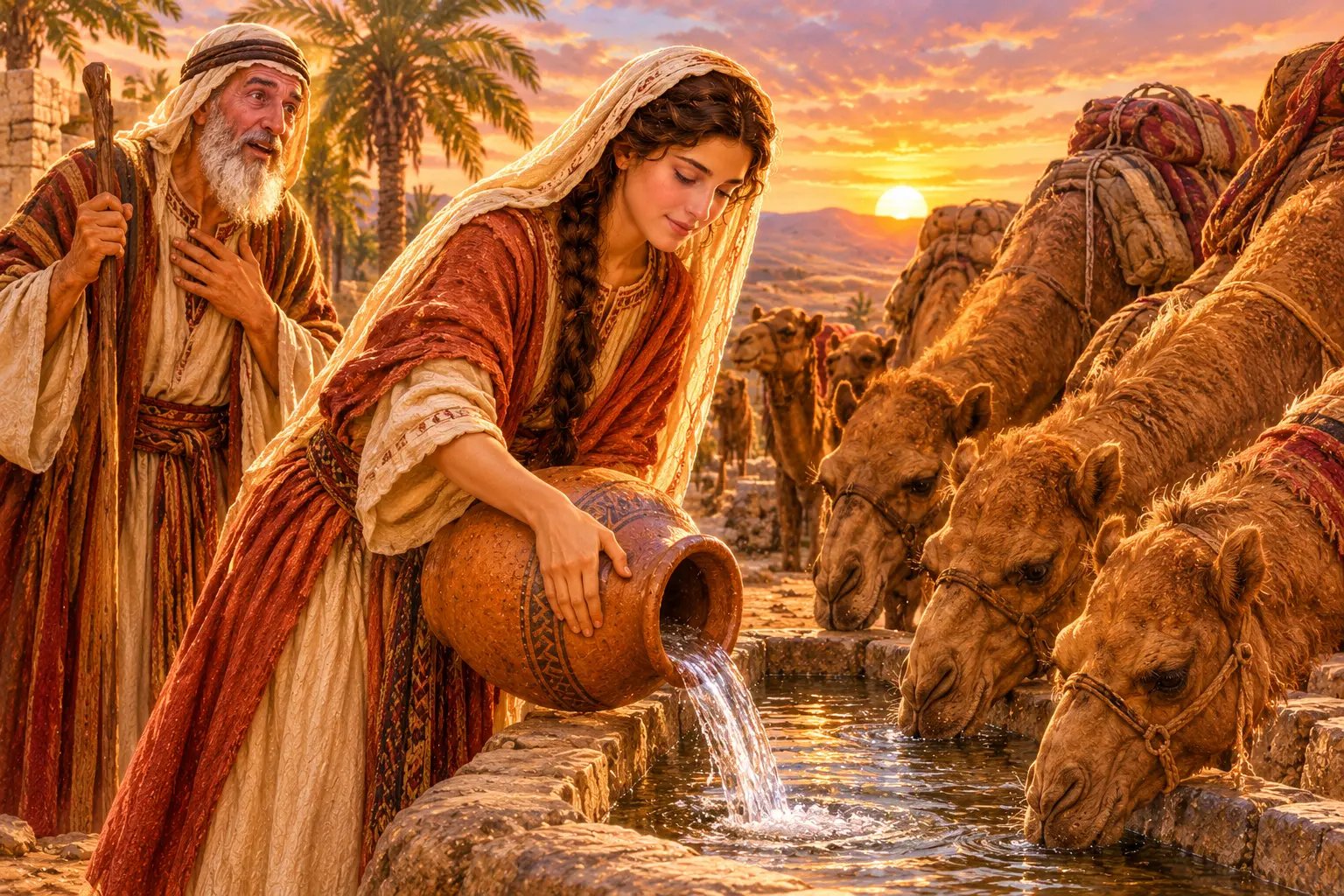
I will draw water for thy camels also, until they have done drinking (Genesis 24:19).
A Bride Prepared Before the Journey Began
Genesis 24 is the longest chapter in the book of Genesis, and it is given almost entirely to one question: who will be the bride of the promised son? Abraham (the father) sends his servant Eliezer (whose name means "God is my helper") to find a bride for Isaac (the son of promise). Read with the eyes of faith, the story becomes a living picture: the Father sends the Holy Spirit into the world to call out a Bride for His Son, Jesus Christ. Rebekah (Hebrew Ribqah, רִבְקָה) is that picture of the Church.
At first glance the account can seem puzzling. Why does the servant test with camels instead of asking about wealth or family? Why must she leave so quickly? Careful study of each step shows that every detail is deliberate. Here are the seven marks of the Bride, one stage at a time.
Stage 1: Chosen Before the Servant Finished Praying
Eliezer stood by the well at evening and prayed for a sign. "And it came to pass, before he had done speaking, that, behold, Rebekah came out" (Genesis 24:15). The servant went to find the bride, yet the bride had already been chosen. So it is with the Church: the Father "hath chosen us in him before the foundation of the world" (Ephesians 1:4). The Spirit does not invent the Bride; He finds the one the Father has prepared.
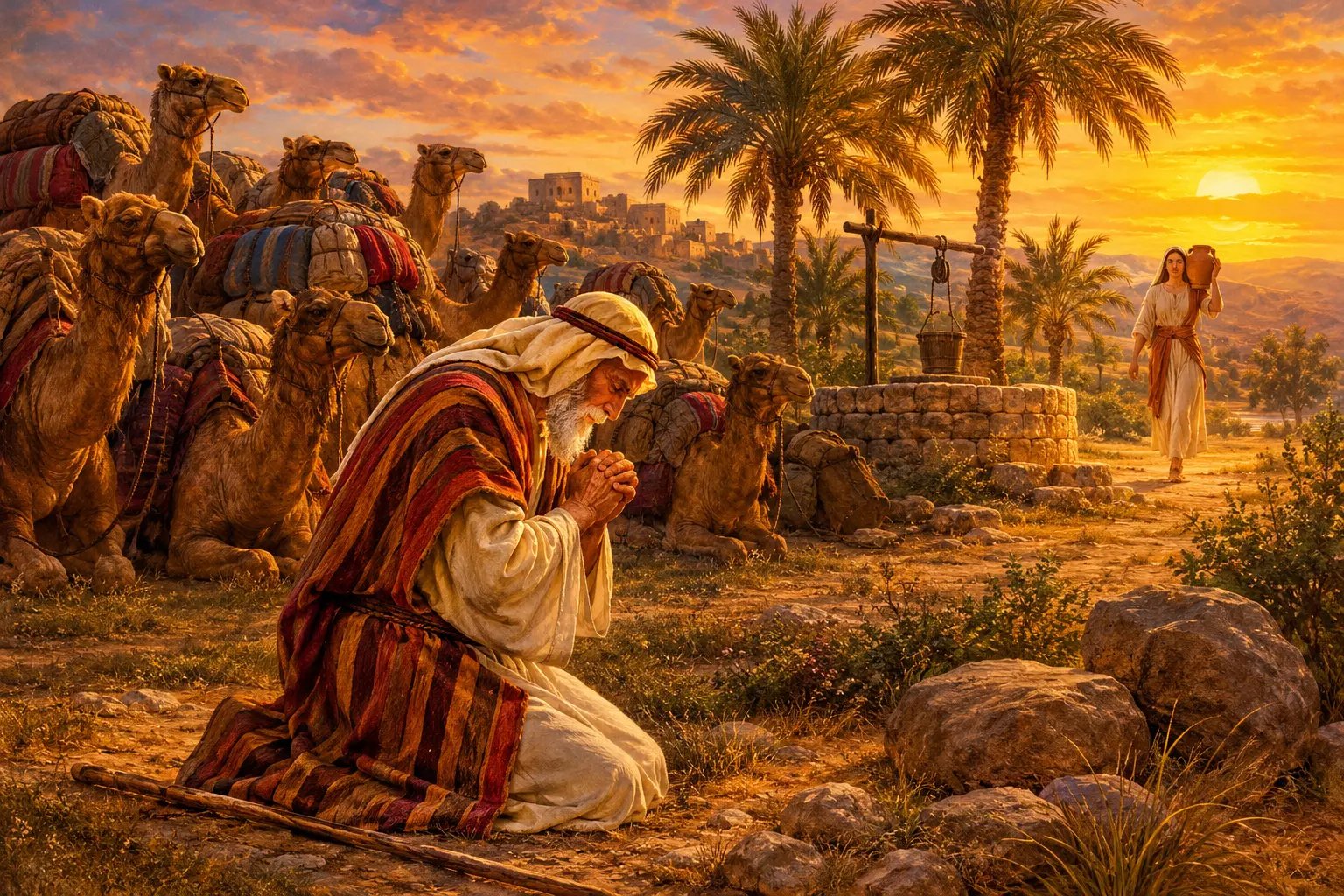
Stage 2: Of the Kindred of Abraham
Abraham insisted: "Thou shalt not take a wife unto my son of the daughters of the Canaanites… but thou shalt go unto my country, and to my kindred" (Genesis 24:3–4). Rebekah was the granddaughter of Nahor, Abraham's brother (Genesis 24:15, 24). The Bride of Christ must share the same family line, not by flesh, but by faith: "Know ye therefore that they which are of faith, the same are the children of Abraham" (Galatians 3:7).
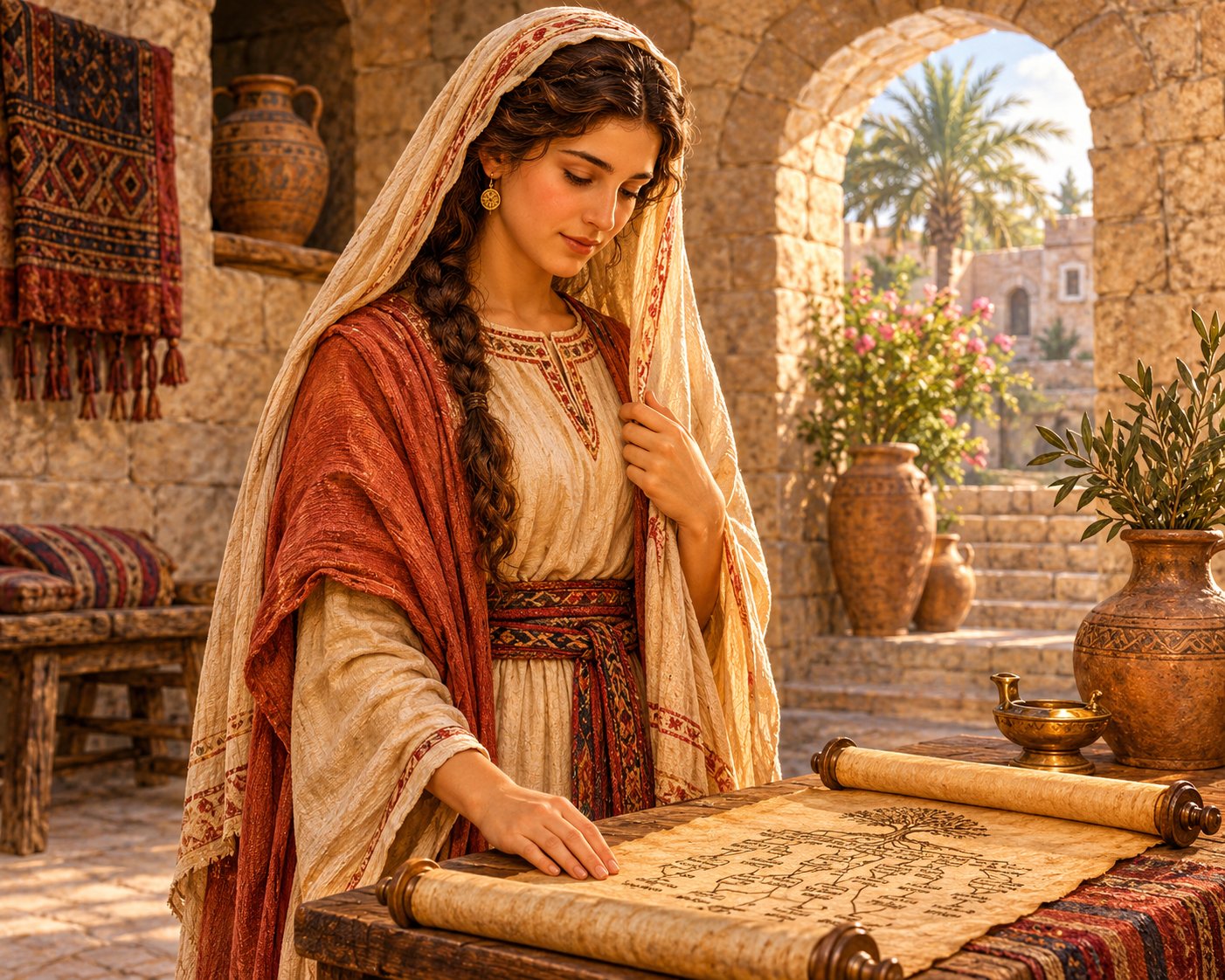
Stage 3: Beautiful Within and Without
"And the damsel was very fair to look upon, a virgin" (Genesis 24:16). Scripture records her beauty, yet the beauty the Spirit looks for in the Bride is deeper: "the hidden man of the heart… even the ornament of a meek and quiet spirit, which is in the sight of God of great price" (1 Peter 3:4). Christ will "present it to himself a glorious church, not having spot, or wrinkle" (Ephesians 5:27).
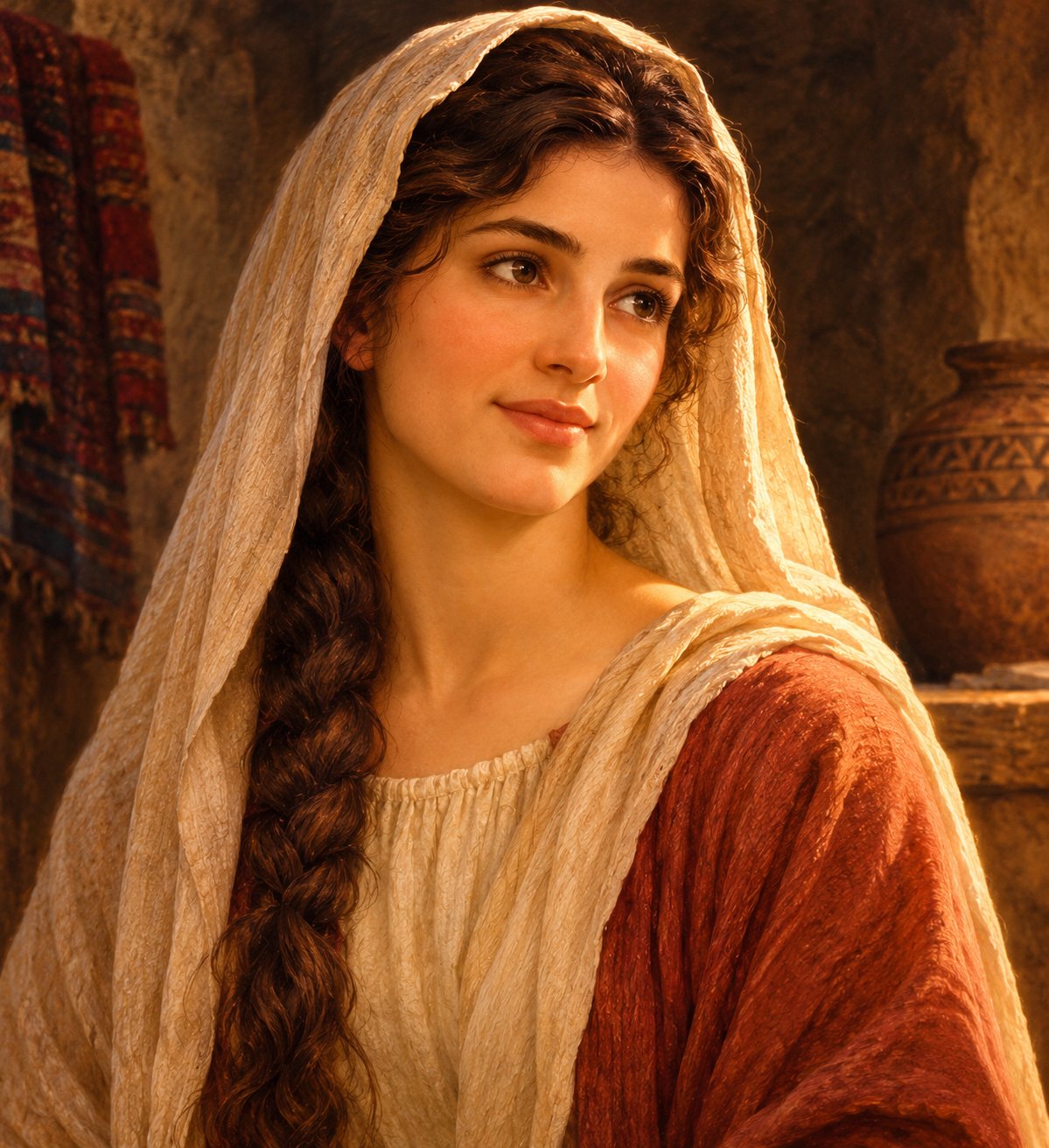
Stage 4: She Came to the Water
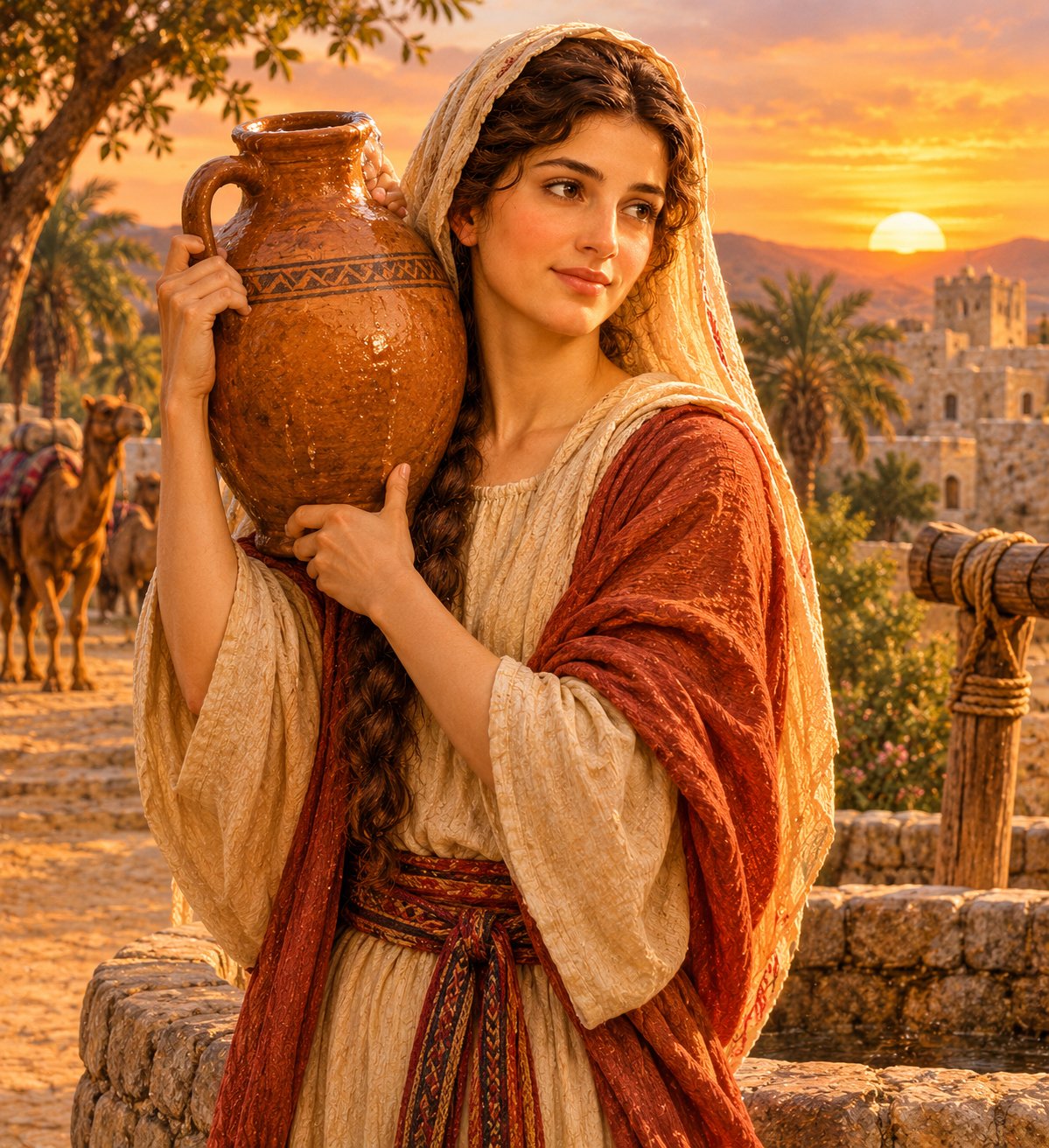
Had Rebekah stayed home, Eliezer would never have found her. "She went down to the well, and filled her pitcher, and came up" (Genesis 24:16). Water is the symbol. The Bride is found where the water flows: in the washing of the Word (Ephesians 5:26) and at the fountain Jesus offers: "the water that I shall give him shall be in him a well of water springing up into everlasting life" (John 4:14). Those who keep coming to the Word are the ones the Spirit meets.
Stage 5: Serving Without Becoming Tired
Ten camels after a desert journey can drink a great deal of water, yet Rebekah said, "I will draw water for thy camels also, until they have done drinking… and drew for all his camels" (Genesis 24:19–20). She ran, she emptied, she drew again. The Bride serves the Spirit's work freely and without weariness: "let us not be weary in well doing: for in due season we shall reap, if we faint not" (Galatians 6:9).
Stage 6: She Must Forget Her Home
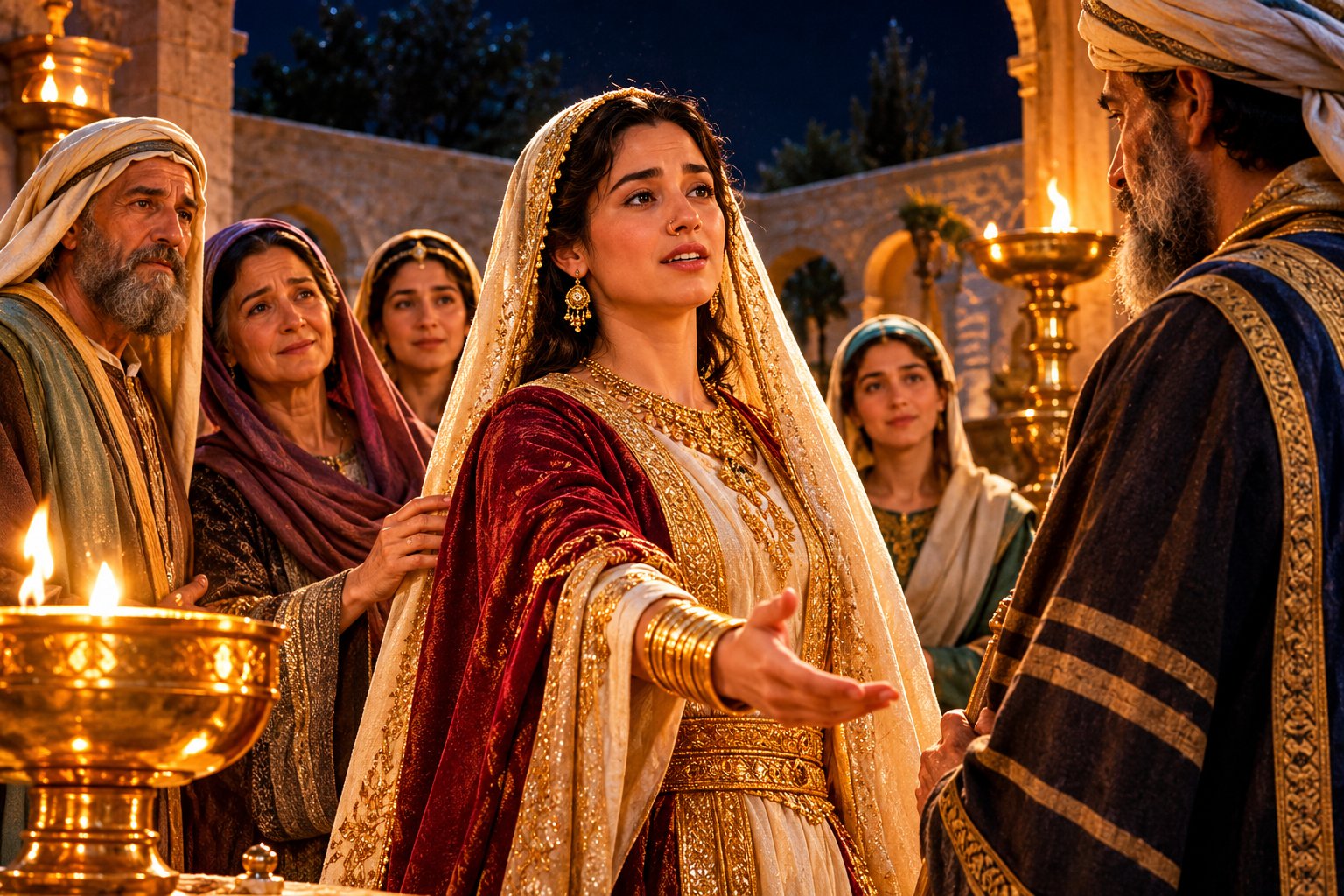
The servant brought out jewels of silver and gold and raiment and gave them to Rebekah (Genesis 24:53), a foretaste of the riches of the house she had not yet seen. When her family asked her to stay a few days more, they called her and asked, "Wilt thou go with this man? And she said, I will go" (Genesis 24:58). The Psalm speaks to the Bride in the same words: "forget also thine own people, and thy father's house; so shall the king greatly desire thy beauty" (Psalm 45:10–11).
Stage 7: She Agreed Without Seeing the Groom
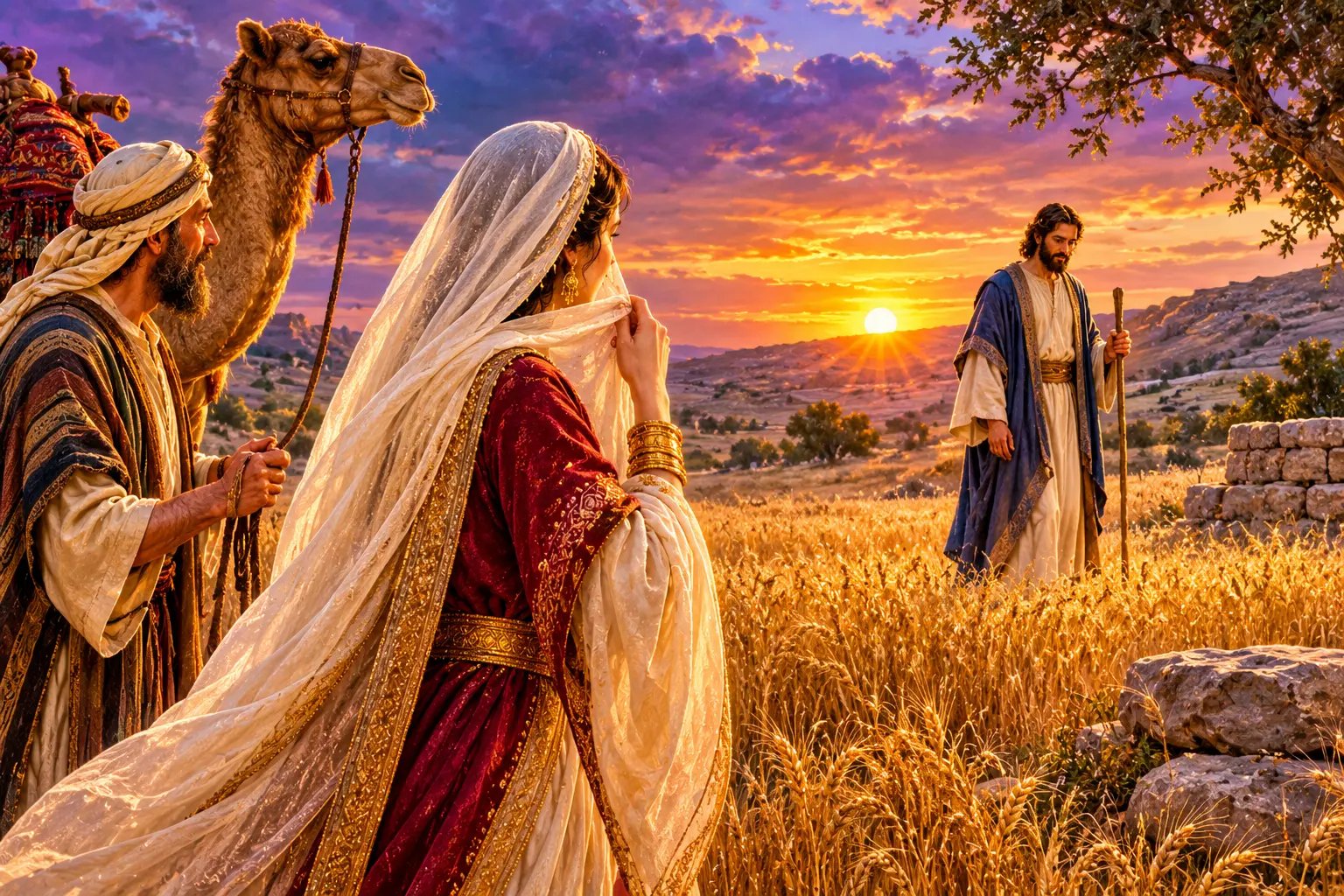
Rebekah said yes to a man she had never seen, trusting only the servant's testimony of him. At eventide Isaac went out to meditate in the field; she lifted up her eyes, alighted from the camel, and took a veil and covered herself (Genesis 24:63–65). "And she became his wife; and he loved her" (Genesis 24:67). So the Church loves the One she has not yet seen: "Whom having not seen, ye love" (1 Peter 1:8), and waits for the day when we "shall be caught up together… to meet the Lord in the air" (1 Thessalonians 4:17).
The Picture at a Glance
Abraham is the picture of the Father. Isaac is the picture of Christ, the beloved Son once offered on Moriah. Eliezer, the unnamed servant, is the picture of the Holy Spirit, who does not speak of himself but of the Son (John 16:13–14). Rebekah is the picture of the Bride: chosen, of the family of faith, beautiful within, found at the water, untiring in service, willing to leave all, and trusting a Bridegroom she has not yet seen.
The question the family asked Rebekah is still asked today: "Wilt thou go with this man?" May our answer be hers: "I will go."
A Prayer
Heavenly Father, thank You for choosing us in Christ before the foundation of the world. Holy Spirit, find us at the water of Your Word, make us beautiful within, and keep us serving without growing weary. Help us forget what holds us back and follow You with a willing heart until we meet our Bridegroom face to face, in Jesus Name Amen.