 Cedar Biblical
Decoding · 5 min read
Flourishing Like the Palm Tree: Lessons from Psalm 92:12
Psalm 92:12 unpacked through the palmyra palm, a picture of upright, useful, fruitful faith.

The metaphorical comparison between a righteous person and a palmyra palm tree as presented in a Christian Bible lesson provides an enriching framework for understanding spiritual growth and resilience. Rooted in the scriptural reference of Psalm 92:12, the lesson uses the characteristics and products of the palmyra palm to draw parallels to the spiritual journey of a believer. This informative essay delves into the multifaceted illustration of how the palmyra palm tree serves as a symbol of faith, trials, unity, and resurrection in the Christian context.
The Palmyra Palm Tree and the Righteous Person
The lesson begins by referencing Psalm 92:12, which states, "The righteous will flourish like a palm tree." This sets the stage for exploring how believers should cultivate their relationship with God, akin to the flourishing of a palm tree. The palmyra palm, with its deep roots and towering presence, embodies the stability and growth expected of a righteous person. Just as the tree's roots delve deep into the earth, sustaining it through drought and storm, a believer is encouraged to establish a strong foundation in their faith, drawing sustenance from spiritual teachings and practices.
The Tree’s Many Uses
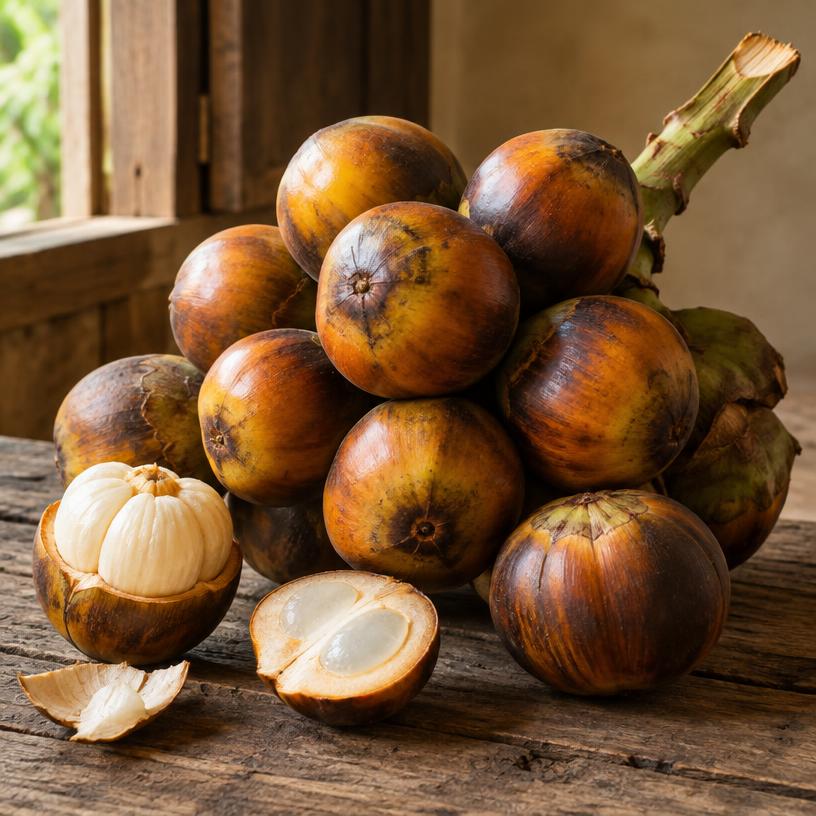
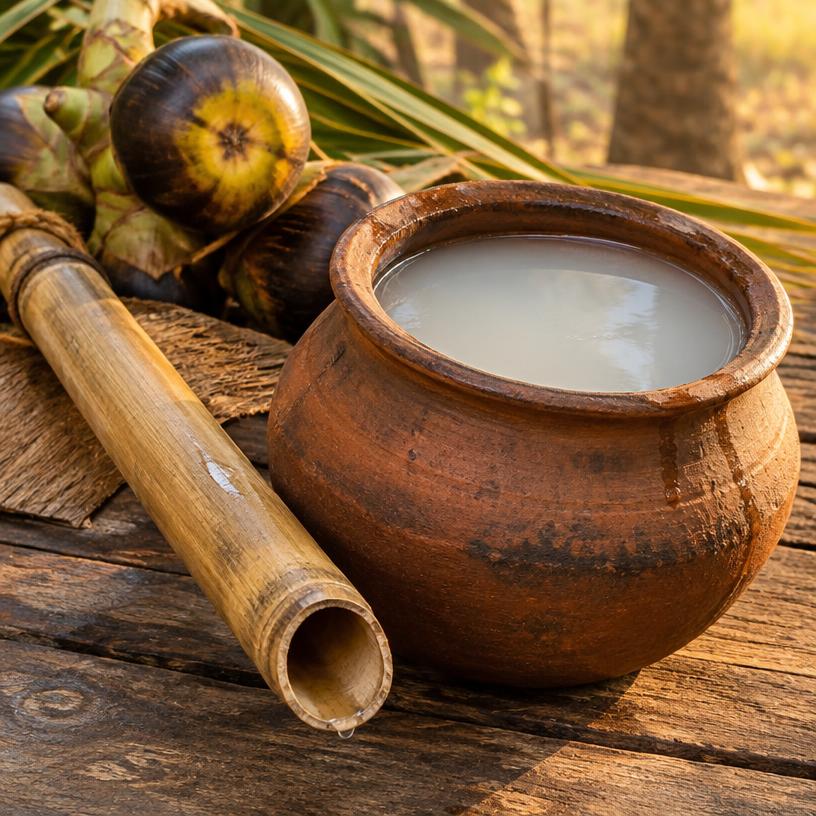
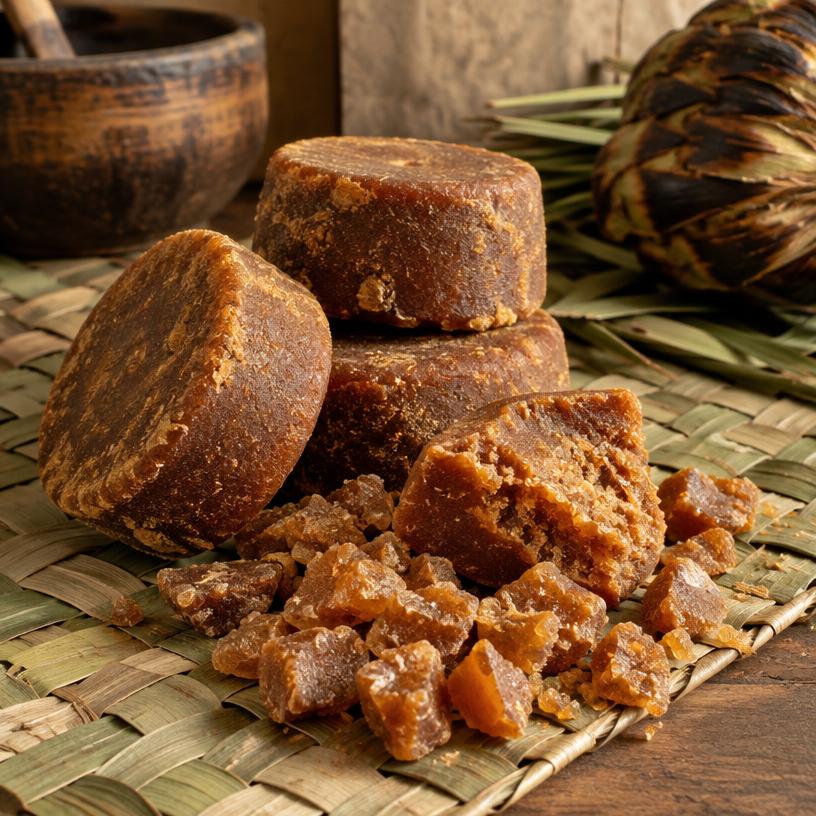
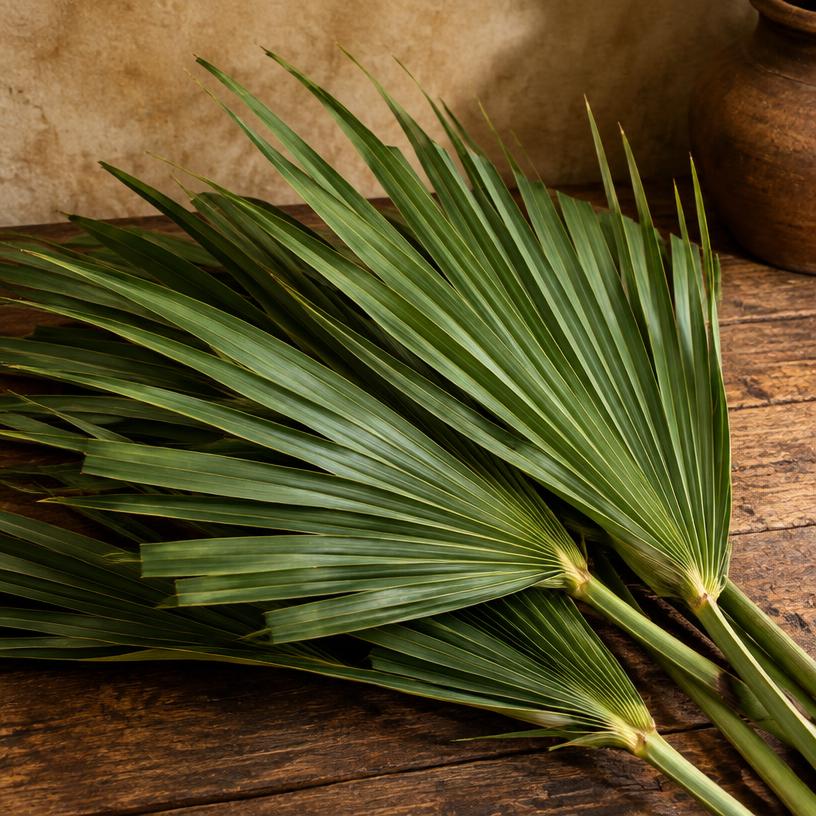
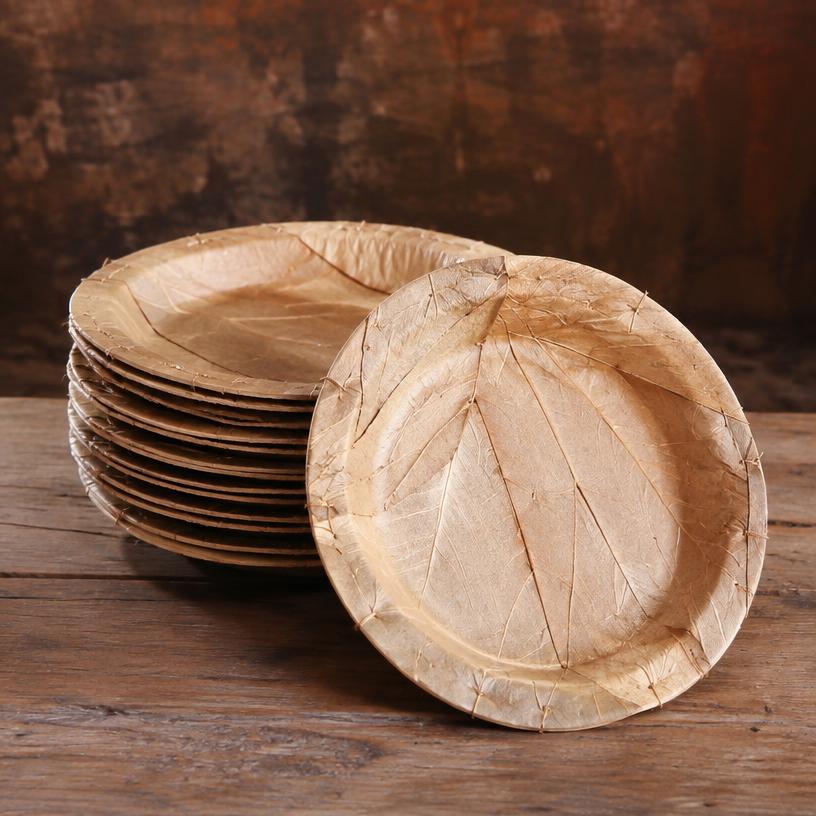
The palmyra palm is renowned for its versatility, providing a multitude of products such as fruits, sweet sap, jaggery, leaves, mats, fans, plates, and utensils. This diversity serves as a powerful metaphor for how a person's life should benefit others. A righteous individual, like the palm tree, is called to produce "fruits" of kindness, generosity, and service, enriching the lives of those around them. The myriad uses of the palmyra palm illustrate the potential impact of a believer's actions and words, which should reflect the goodness and grace of God.



Unity Between God, Jesus, and Believers
The lesson further explores the theme of unity by referencing John 17:21, where Jesus prays for the unity of His disciples. This prayer underscores the importance of spiritual harmony and collective faith among believers. The palmyra palm, with its interconnected parts working in unison, symbolizes the unity between God, Jesus, and believers. Christians are encouraged to emulate Jesus' example of obedience and to strive for unity within the faith community, fostering a supportive environment for spiritual growth.
Trials Help Develop Spiritual Character
Drawing a parallel between the heating process of palm sap to create jaggery and the trials faced by believers, the lesson emphasizes that trials are an integral part of spiritual development. Just as intense heat transforms sap into a valuable product, challenges and difficulties test and strengthen a believer's faith. Referencing Job 23:10, the speaker reassures that those tested by God will emerge refined, like gold. This analogy highlights the importance of perseverance and resilience in the face of adversity.
The Importance of Pure Spiritual Teaching
The speaker uses the palm-sap pot and the addition of lime to illustrate the necessity of pure spiritual teaching and protection. The pot represents an individual, while the sap symbolizes spiritual nourishment. The "milk of the word" in 1 Peter 2:2 is likened to pure spiritual teaching, essential for growth and discernment. The Holy Spirit is depicted as a guiding force, providing strength and wisdom to navigate life's challenges and maintain spiritual integrity.
Producing Good Spiritual Fruit
The sweetness of palm honey and the usefulness of the tree are connected to the goodness of God and the value of a believer's actions. Christians are encouraged to develop good character and be a blessing to others, mirroring the tree's ability to provide for and nurture its surroundings. This section of the lesson reinforces the idea that a life rooted in God should produce positive outcomes, contributing to the well-being of the community and bringing glory to God.
Death and Resurrection
The palmyra fruit, capable of being buried and giving rise to new life, serves as a profound illustration of the resurrection of those who die in Christ. Referencing Psalm 116:15, 1 Corinthians 15, and 1 Thessalonians 4:16–17, the lesson emphasizes the hope of eternal life and the transformative power of resurrection. This metaphor provides comfort and assurance to believers, affirming the promise of new life beyond death.
Becoming Righteous Requires Effort and Perseverance
Finally, the arduous task of climbing a palmyra tree is used as an analogy for the effort and dedication required to live as a righteous person. The process demands training, skill, and perseverance, echoing the spiritual journey of learning God's Word, applying it in daily life, and remaining steadfast in faith. This illustration serves as a reminder that spiritual maturity and righteousness are achieved through continuous effort and commitment.
Conclusion
In conclusion, the Christian Bible lesson on "The Righteous Person and the Palmyra Palm Tree" offers a rich tapestry of metaphors and illustrations that illuminate the path of spiritual growth and resilience. By drawing parallels between the characteristics and uses of the palmyra palm tree and the spiritual journey of a believer, the lesson provides valuable insights into the essence of faith, unity, perseverance, and hope. A life rooted in God, much like the palmyra palm, should flourish, benefit others, and hold firmly to the promise of resurrection. Through continuous effort, pure spiritual teaching, and unity with fellow believers, a righteous person can grow spiritually and become a beacon of light in the world.