 Cedar Biblical
Decoding · 6 min read
Searching for the Bride: How an Ancient Romance Unveils the Marriage of the Lamb
Abraham's search for Rebekah hides a prophetic picture of the Holy Spirit preparing the Bride of Christ for the Marriage of the Lamb — the well, the veil, the robe, and the 144,000.
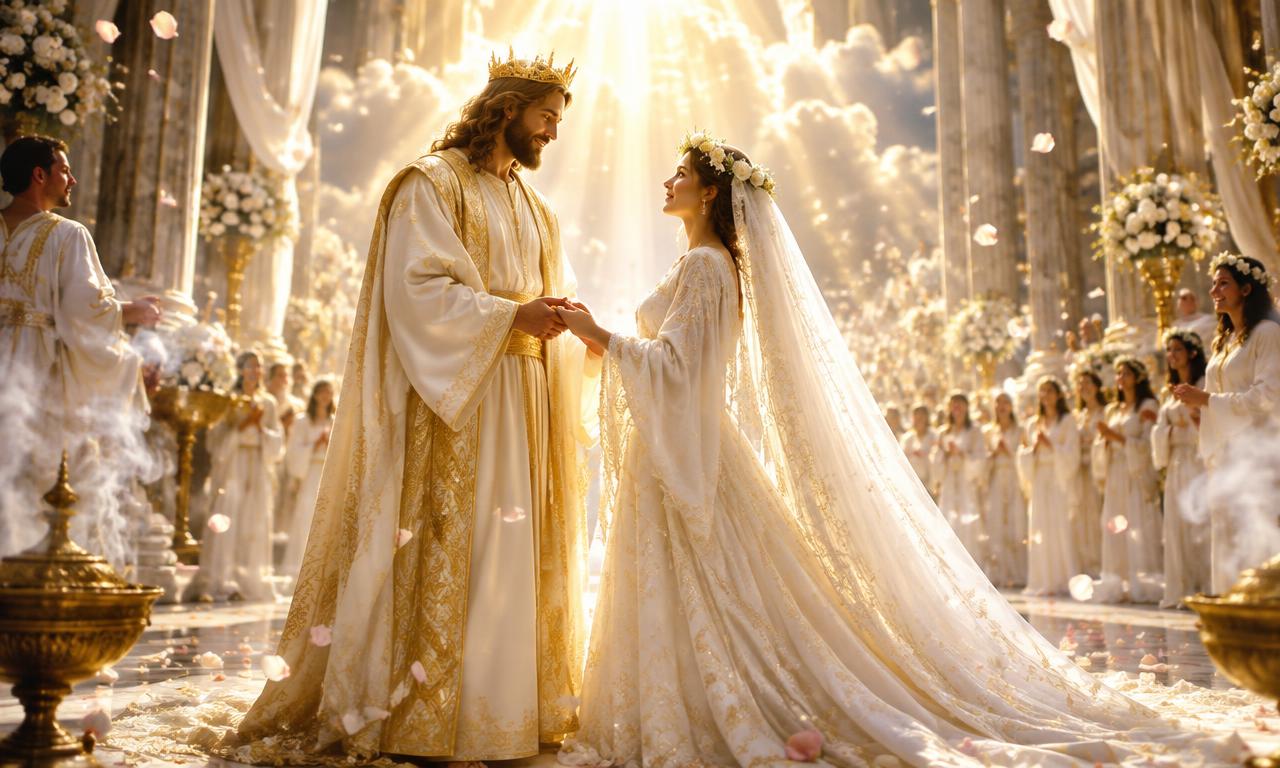
The Divine Shadow in an Ancient Romance
Scripture is not an assortment of disconnected stories; it is a single, tapestry woven by God. When the Apostle Paul looked back at Israel's wilderness wanderings and the patriarchal records, he declared that these things happened as examples, written for our admonition upon whom the ends of the ages have come (1 Corinthians 10:11). Paul reaffirmed to the church in Rome that whatever things were written before were written for our learning, so that through patience and the comfort of the Scriptures we might have hope (Romans 15:4).
When we read the ancient historical accounts with spiritual discernment, beautiful mysteries emerge. Certain passages may appear perplexing or even contradictory on the surface—such as differing descriptions of garments or heavenly companies in the Apocalypse—yet careful digging into the Word consistently reveals God’s unified design. One of the clearest prophetic pictures in the Old Testament is the search for a bride in Genesis 24. It paints an exquisite portrait of the ultimate destiny of the church: the search for the Bride of Christ and her journey to the Marriage of the Lamb.
The Father, the Son, and the Unnamed Helper
In Genesis 24, Abraham was advanced in years and had been blessed in all things. God had promised that through his son Isaac, a multitude of nations would be blessed. Isaac was the unique, beloved son who had willingly ascended Mount Moriah as a sacrifice and was received back as through a figure of resurrection. Here, Abraham foreshadows God the Father, and Isaac foreshadows Jesus Christ, the beloved Son offered for the sins of the world.
When the time arrived for Isaac to be married, Abraham did not search among the pagan Canaanites. Instead, he commissioned his senior household administrator to journey to his homeland to secure a bride. In Genesis 15:2, this chief steward is identified as Eliezer of Damascus. His name carries profound meaning: "God is my helper." In Genesis 24, however, his personal name is never mentioned; he is simply "the servant."
In this, we see an astonishing type of the Holy Spirit. In the Gospel of Matthew, Jesus described the Kingdom of Heaven as a King who prepared a wedding banquet for His Son (Matthew 22:2). Just as Abraham sent Eliezer with a solemn oath to secure a bride, the Father sent the Holy Spirit into the world with a divine promise. Jesus called the Holy Spirit the "Helper" or Comforter (John 14:16) and instructed His disciples to wait in Jerusalem for "the Promise of the Father" (Acts 1:4; Luke 24:49). The Spirit never speaks of Himself; He glorifies the Son and gathers a prepared people from across the earth.
At the Well of Evening: The Mark of the Bride
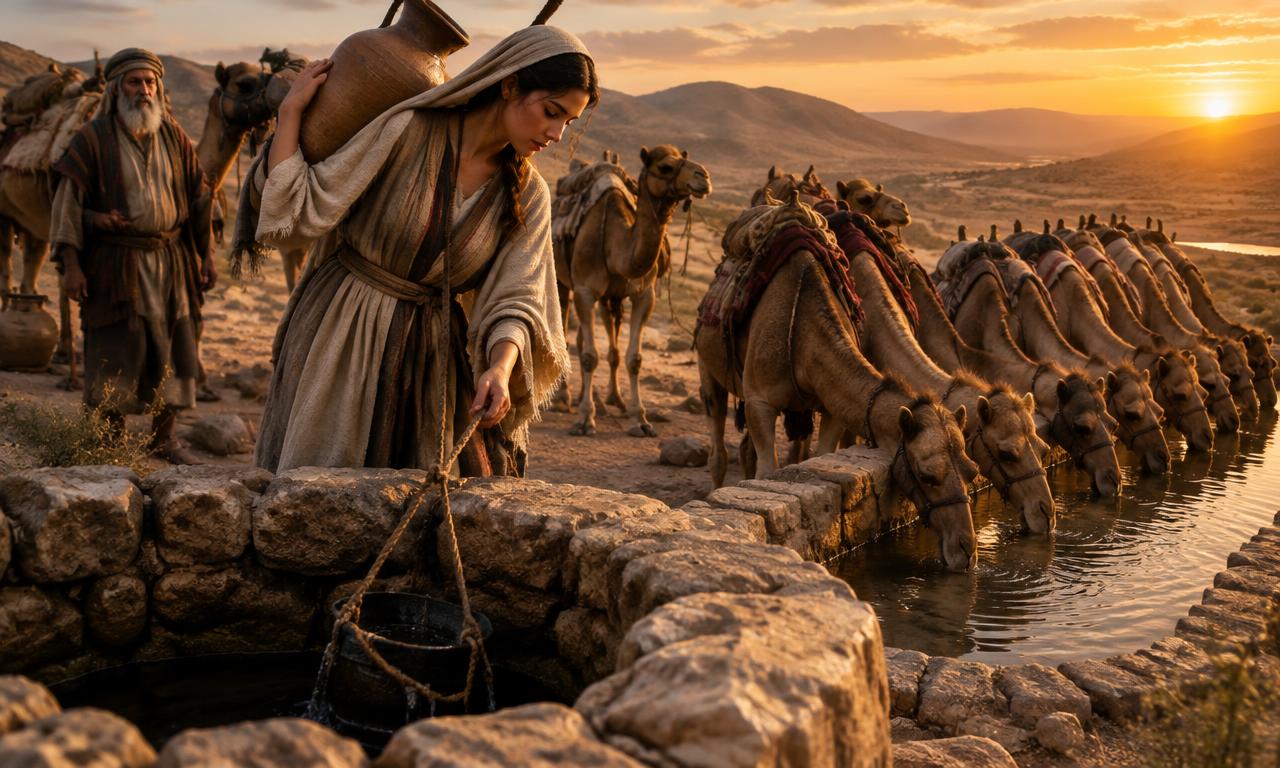
Eliezer journeyed to Mesopotamia and arrived outside the city of Nahor at evening, right when women went out to draw water. Standing by the well, he offered a specific prayer: let the young woman who offers water not only to him, but voluntarily waters his ten camels, be the one appointed for Isaac.
This was no small test. A thirsty camel can drink more than a hundred liters of water after a long desert trek. Drawing water for ten camels meant hauling hundreds of liters by hand from a deep spring or subterranean well. Yet when Rebekah arrived, carrying her pitcher, she did not shrink from the labor. With remarkable diligence, joy, and humility, she drew water until every camel had drank its fill.
Rebekah did not know that a life-altering election was unfolding. She was simply living out a posture of tireless service, purity, and readiness. The true Bride of Christ is likewise found at the spring of living water—the Word of God (Ephesians 5:26). She does not grow weary in well-doing (Galatians 6:9; Romans 2:7). Where the world sees unnecessary sacrifice or foolish labor, the eyes of the Lord see the beauty of an inner spirit adorned with meekness, holiness, and enduring love (1 Peter 3:4).
Adorned with Divine Gifts: Earring, Bracelets, and Robe
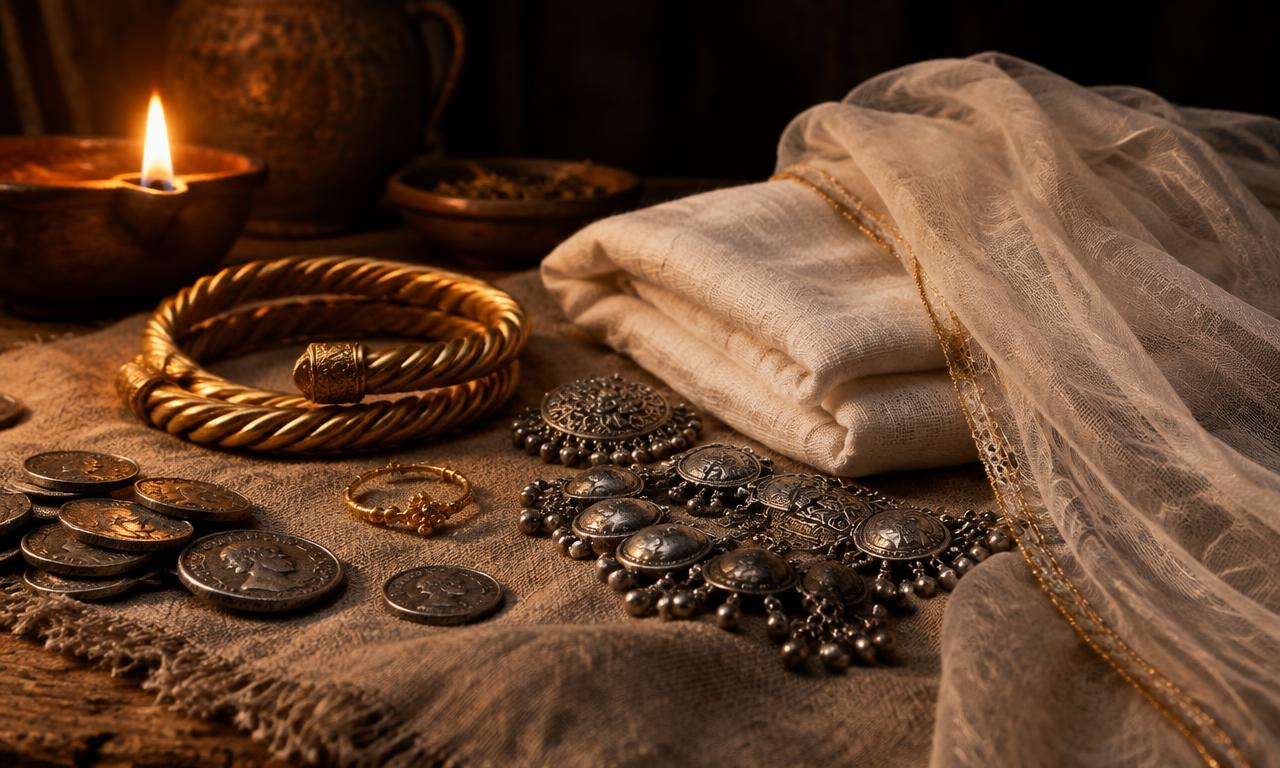
Once the test of devotion was met, Eliezer presented Rebekah with precious gifts: a gold nose ring, heavy gold bracelets for her wrists, and later, garments and treasures of silver and gold (Genesis 24:22, 53). These gifts are rich in spiritual meaning.
The golden ring for her face speaks of the spiritual ear that receives the Word of God. "He who has ears to hear, let him hear," Jesus repeated often (Matthew 11:15). Isaiah urges us to incline our ear and come, that our souls may live (Isaiah 55:3). The golden bracelets speak of hands yielded to divine obedience. Faith is made visible through righteous deeds; hearing the truth must blossom into practicing the truth.
The silver speaks of God's purified Word (Psalm 12:6), while the gold speaks of genuine faith refined through trials (1 Peter 1:7). The garments point directly to the spiritual apparel of the believer. Those baptized into Christ have put on Christ like a garment (Galatians 3:27).
Careful students of Scripture sometimes wonder about the garments mentioned in Revelation. In Revelation 7, the great multitude wears white robes washed clean in the blood of the Lamb. But in Revelation 19:7-8, the Bride's garment is described as "fine linen, clean and bright," representing the righteous acts of the saints. One company has washed their robes through great tribulation, while the bridal company has kept her virgin garment unspotted from the beginning through ongoing fidelity. Both are saved by grace, but the Bride is adorned in the distinct, intimate attire of wedding readiness.
Leaving the Father's House Without Delay
When Eliezer explained his mission to Rebekah’s family, they agreed that the matter was from the Lord. Yet the following morning, her mother and brother pleaded for a delay: "Let the young woman stay with us a few days, at least ten; after that she may go" (Genesis 24:55). Natural affection and human reasoning often plead for delay when divine destiny calls.
Eliezer refused the delay, and so they called Rebekah and asked, "Will you go with this man?" Without hesitation, knowing nothing of Isaac’s appearance or her future homeland, she gave her decisive answer: "I will go."
Here Rebekah fulfilled the prophetic counsel of Psalm 45:10: "Listen, O daughter, consider and incline your ear; forget your own people also, and your father's house; so the King will greatly desire your beauty." To walk with the Helper toward the Bridegroom requires forsaking worldly attachments. Jesus cautioned that anyone who puts his hand to the plow and looks back is not fit for the kingdom of God (Luke 9:62). Walking by faith means moving forward without clinging to our former nature.
Meeting the Bridegroom in the Field at Twilight
The long caravan wound its way southward toward the Negev. Isaac had gone out into the open field to meditate at twilight, coming from the direction of Beer-lahai-roi—which means "the well of the Living One who sees me." Christ, our resurrected Lord, is alive forevermore, watching over His people.
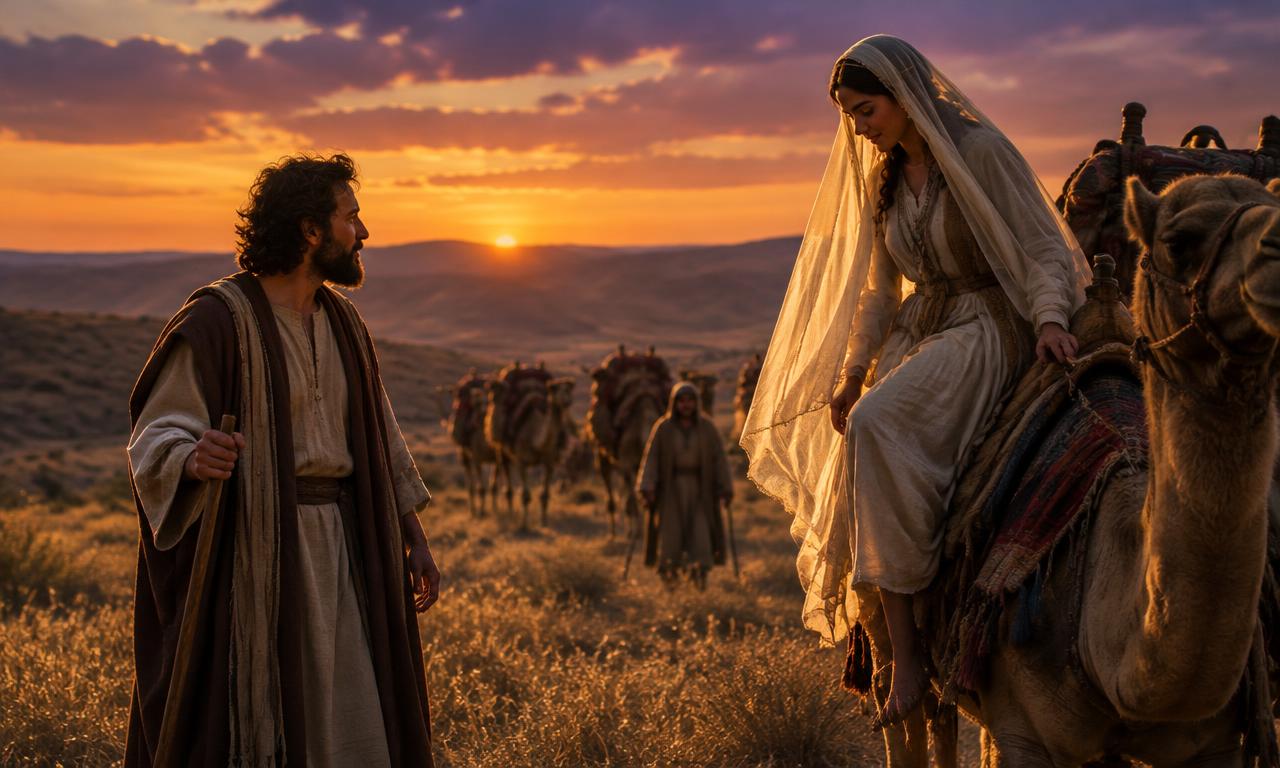
When Rebekah lifted her eyes and saw Isaac approaching through the fields, she dismounted her camel and covered herself with a veil. She did not meet him in the fleshly confidence of human beauty; she humbled herself, veiled in modesty and reverence. Similarly, we cannot meet Christ in fallen flesh and blood. When He appears, mortality will be swallowed up, our earthly coverings will fall away, and we shall be transformed to see Him face to face, bearing His glorious image (1 John 3:2).
Notice also that Isaac did not travel back to Haran; Abraham strictly forbade him from returning to Mesopotamia. Christ does not return to walk this fallen earth as an ordinary man; rather, the Church is caught up to meet Him in the air.
The Company of Companions: Discerning the Two Groups
Rebekah did not make this journey alone. Genesis 24:59 records that she set out with her maidservants following behind her. Psalm 45:14 echoes this dual company: "She shall be brought to the King in robes of many colors; the virgins, her companions who follow her, shall be brought to You."
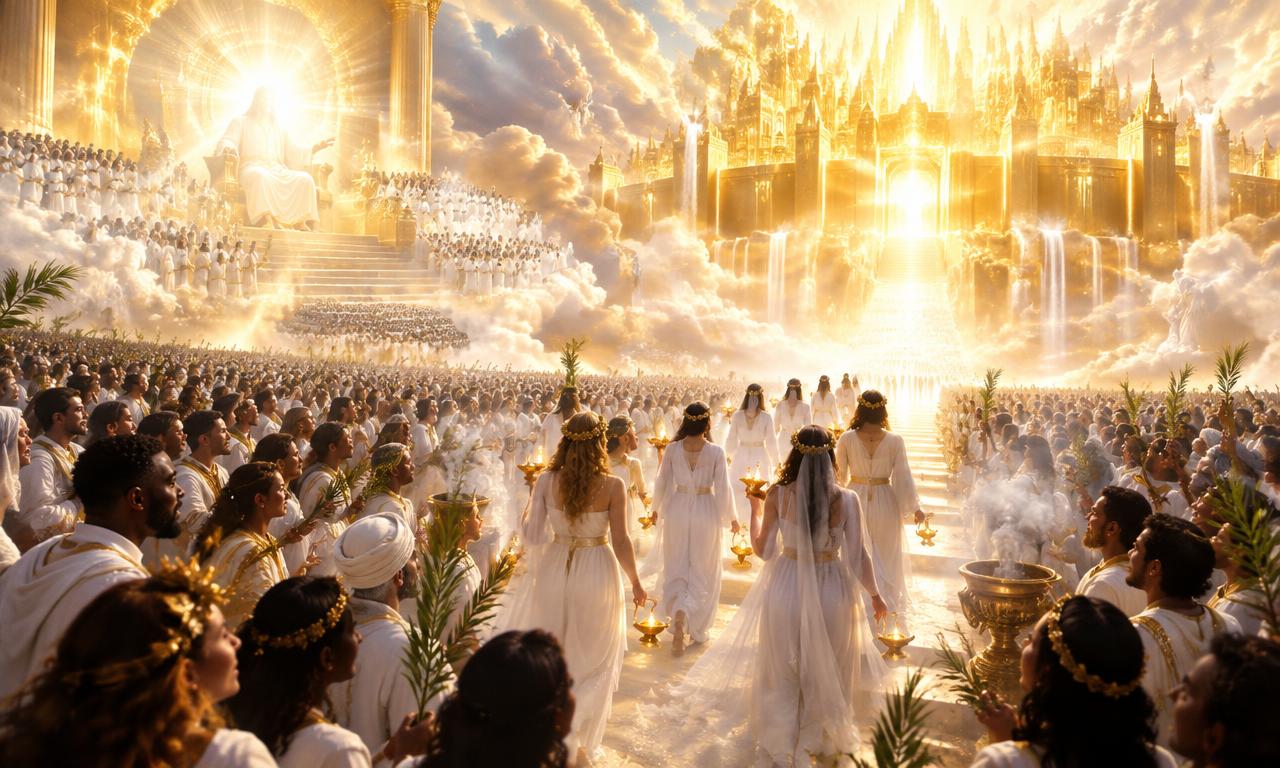
In Revelation, we see a parallel distinction between the firstfruits who follow the Lamb wherever He goes (the 144,000 standing upon Mount Zion) and the innumerable multitude from every nation standing before the throne. When scriptures describe these different groups, careful digging resolves any confusion. God has an overarching assembly of redeemed souls, yet within that assembly is an intimate bridal company—those who yielded completely to the Holy Spirit's preparation, counting all things loss for the excellence of knowing Christ.
Are You Ready for the Midnight Cry?
We are living in the prophetic evening hour. The day of human labor is winding down, and the night approaches when no man can work. The Holy Spirit is actively searching the earth, looking for those who gather at the well of truth, who serve selflessly, and who are willing to abandon the comforts of this world for a King they have not yet seen.
The Marriage of the Lamb is coming, and His wife must make herself ready. Let us cast off complacency, put on the robe of Christ's righteousness, and guard our hearts with tested faith. When the cry sounds and the Master appears across the harvest fields, may we be found waiting, unspotted, and ready to enter into the joy of our Lord.