 Cedar Biblical
Interesting Facts · 7 min read
Behemoth: The Chief of the Ways of God in Job 40
Hippopotamus, elephant, or something greater? What God's description of Behemoth teaches about strength, gentleness and trust.
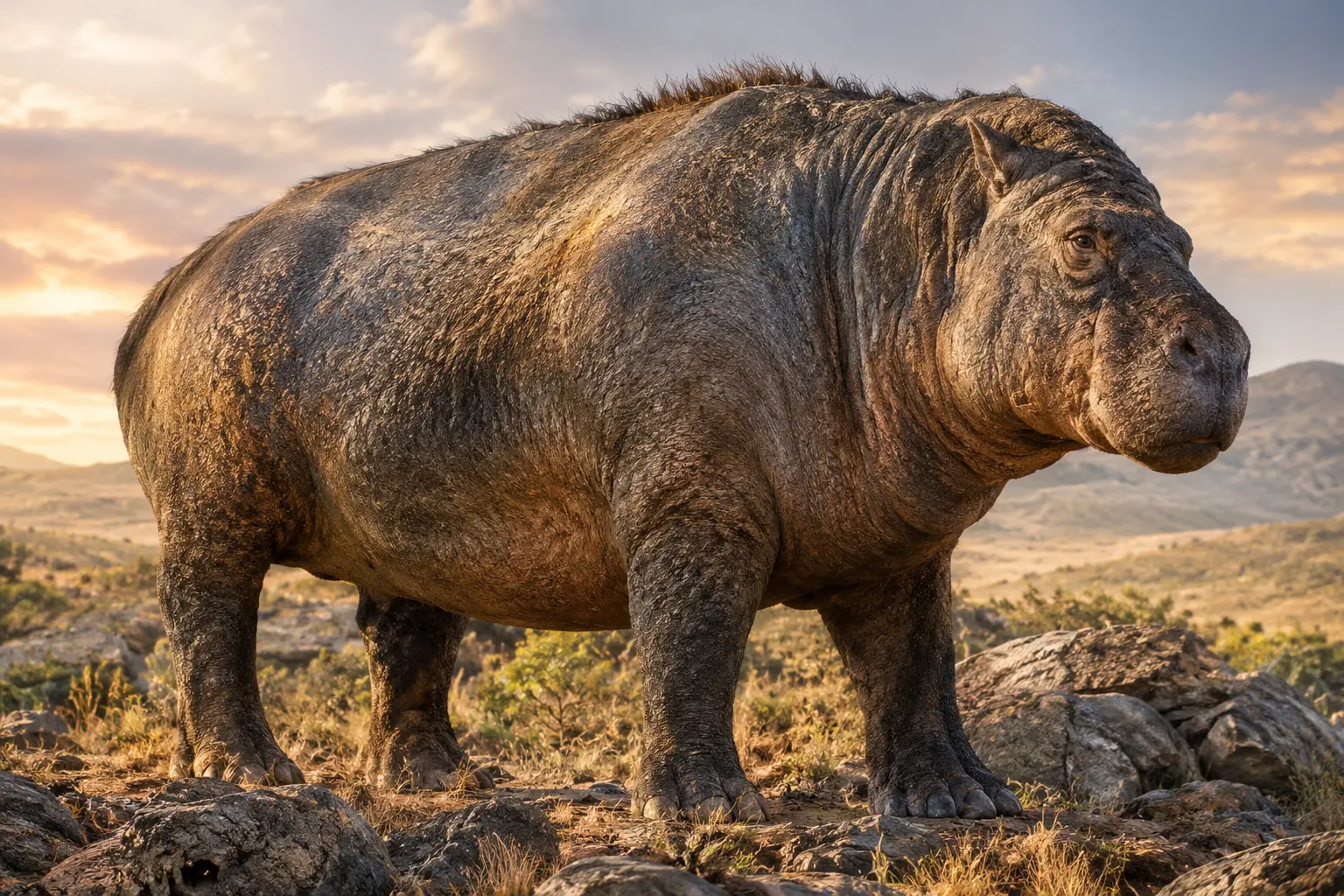
"Behold now behemoth, which I made with thee; he eateth grass as an ox" (Job 40:15).
Out of the whirlwind, God answers Job not with an explanation of his suffering but with a tour of creation. Near the end of that tour He points to two great creatures, Behemoth on land and Leviathan in the sea. What exactly is Behemoth, and why does God end His speech with it?
A Creature That Raises Questions
Years ago, new believers would often bring questions about passages like this. The description is striking: "His strength is in his loins, and his force is in the navel of his belly. He moveth his tail like a cedar... His bones are as strong pieces of brass; his bones are like bars of iron" (Job 40:16–18).
The Hebrew behemoth is the plural of behemah, the ordinary word for beast or cattle. The plural form likely expresses greatness, "the beast of beasts." That fits God's own summary: "He is the chief of the ways of God" (40:19).
Hippopotamus, Elephant, or Something Else?
Interpreters have proposed several identifications. Many modern commentators suggest the hippopotamus: it eats grass, lies under lotus trees and in reeds by the river (40:21–22), and is unafraid when the Jordan floods against its mouth (40:23). Others suggest the elephant. Some read the "tail like a cedar" as pointing to a large sauropod-like creature, though this is debated. Still others see a poetic, symbolic picture of untamed primeval power.
The apparent conflict, a hippopotamus with a cedar-like tail, may resolve when we remember that Hebrew poetry often describes the stiff, mighty movement of a limb or tail with bold imagery. Careful readers can hold the identification humbly. What God means by the creature is clearer than its zoology.
Strength Joined With Gentleness
Here is the surprising lesson. This "chief of the ways of God" eats grass "as an ox." For all its terrifying power it is not a predator. It lies quietly in the shade, "the mountains bring him forth food, where all the beasts of the field play" (40:20). The other animals play near it without fear.
That is a picture of power under God's hand: mighty, yet humble and peaceable. Jesus said, "Learn of me; for I am meek and lowly in heart" (Matthew 11:29). The strongest are not those who crush others but those who use strength gently.
"I Made With Thee"
God says Behemoth was made "with thee," that is, alongside Job, by the same Creator. Job had questioned God's ways. Now God reminds him that the same hand that formed this colossal creature formed him too. "He that made him can make his sword to approach unto him" (40:19): only the Maker can master it.
Job's Response
Job had already said, "I will lay mine hand upon my mouth" (40:4). After Behemoth and Leviathan he goes further: "I have heard of thee by the hearing of the ear: but now mine eye seeth thee. Wherefore I abhor myself, and repent in dust and ashes" (42:5–6). The creature lesson leads not to a lecture in natural history but to worship.
Lessons for the Believer
First, humility. If we cannot tame Behemoth, we cannot manage the universe. Trust is wiser than accusation.
Second, gentleness with strength. Spiritual maturity is not loud force. It feeds quietly on what God provides and makes others feel safe.
Third, steadiness in floods. "He trusteth that he can draw up Jordan into his mouth" (40:23). When the river rises, the creature does not panic. "When thou passest through the waters, I will be with thee" (Isaiah 43:2).
Fourth, purity in growth. Paul names three things that abide: "faith, hope, charity" (1 Corinthians 13:13). God links all things together; He wants these three to grow in us cleanly, without mixture of pride.
The Chief of the Ways of God
Revelation pictures the redeemed singing, "Great and marvellous are thy works, Lord God Almighty; just and true are thy ways" (Revelation 15:3). Behemoth is one of those great works. Whatever creature Job saw, the lesson stands: the God who made the mightiest beast made us, holds us, and is worthy of our trust.
Note: the identity of Behemoth is debated among scholars; the interpretations above are presented as possibilities, not settled fact.