 Cedar Biblical
Decoding · 6 min read
Decoding Amos: The Burden-Bearer and the Terrifying Reality of the Day of the Lord
Often romanticized as a day of sudden triumph, the Day of the Lord was revealed to the prophet Amos as a day of darkness, justice, and unsparing accountability.
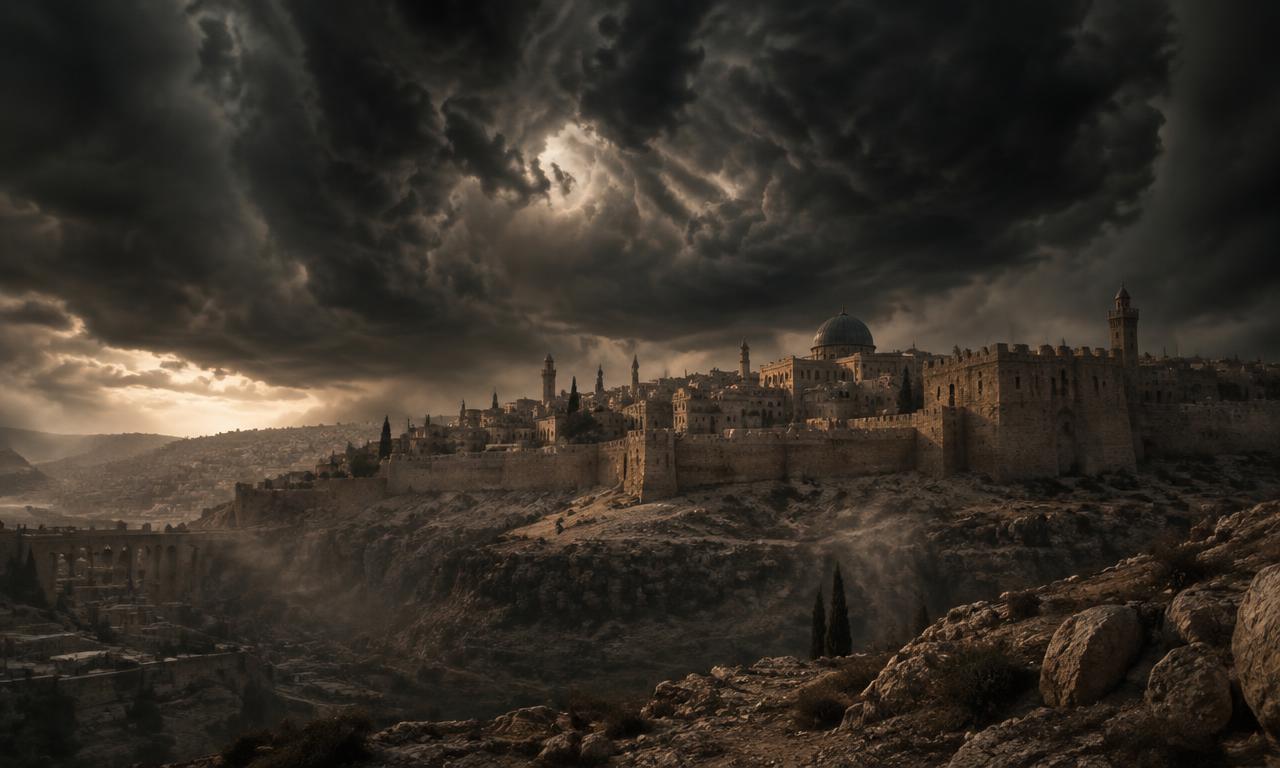
Among the prophetic voices recorded in Scripture, the book of Amos carries an unusually piercing clarity. We often gravitate toward the majestic poetry of Isaiah or the tears of Jeremiah, yet the rustic declarations of Amos strike right at the heart of human complacency. Far from an ivory-tower theologian, Amos was an ordinary laborer thrust into an extraordinary commission. Through him, God delivered an uncompromising verdict against spiritual hypocrisy, systemic greed, and misplaced theological confidence.
To understand the message of Amos, one must first understand the man and the world he walked into. His message was not designed to soothe a comfortable audience. It was an urgent summons across borders, warning that outward religiosity cannot substitute for genuine righteousness.
The Unlikely Shepherd from Tekoa
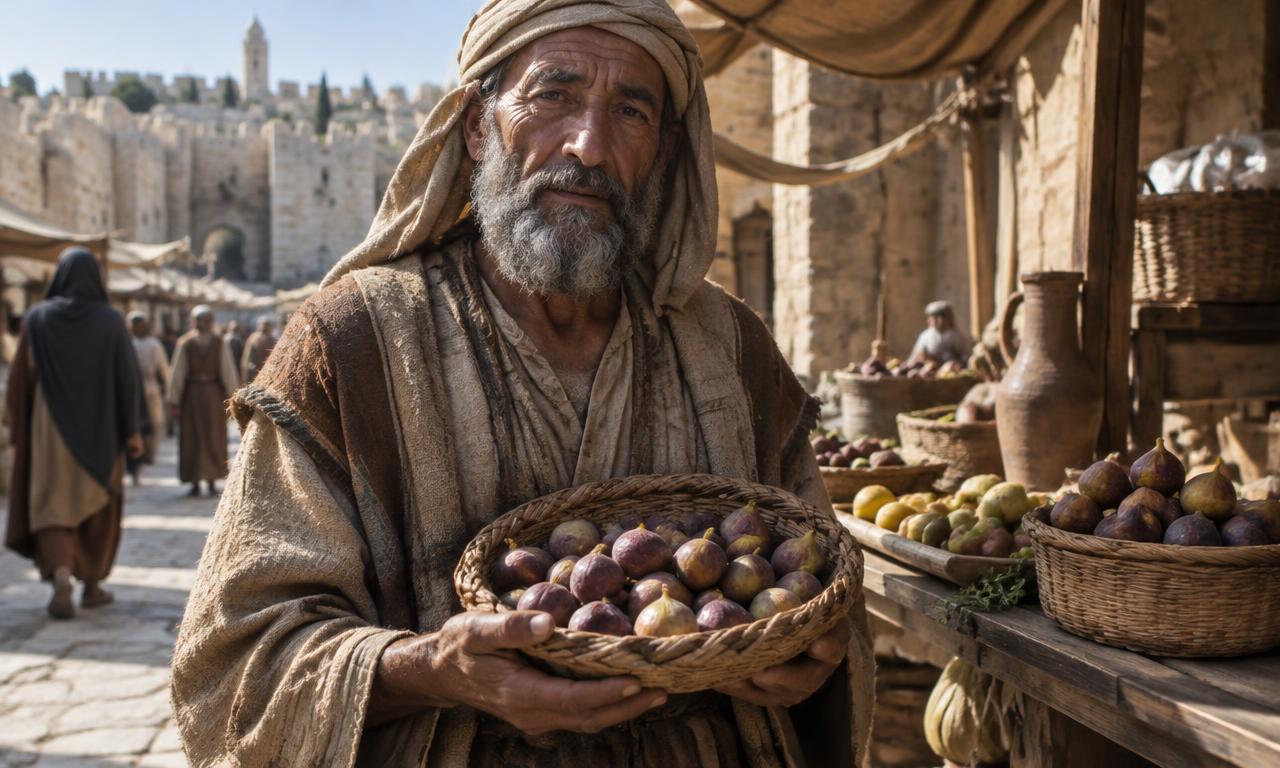
Amos was, by all accounts, one of the humblest men God ever called to prophecy. He hailed from Tekoa, a rugged village situated about twelve miles south of Jerusalem in the rocky hill country of Judah. He was neither a priest nor the son of a prophet. Instead, he made his meager living herding sheep and tending sycamore fig trees.
Sycamore figs were known as poor man's food. They did not ripen naturally with ease; farmers had to manually pierce or nip each fruit with a needle to stimulate the release of ethylene gas, accelerating the ripening process. Amos spent his days performing this tedious agricultural labor and then taking the fruit to market in Jerusalem. He followed the flock quietly, much like David had done centuries before him. Yet God took this working herdsman and placed a divine burden upon his shoulders. Luke 3:25 even preserves a family line connecting this humble name to the ancestral lineage of Christ.
Amos prophesied during the reigns of King Uzziah in Judah and King Jeroboam II in northern Israel, roughly two years before a catastrophic earthquake shook the region. He stood in historical proximity to prophets like Jonah, Joel, Hosea, and Micah. Although he was a native of the southern kingdom of Judah, God gave him a hard, cross-border assignment: go north and confront the opulent, corrupt northern kingdom of Israel.
Confronting Bethel's Golden Calves
Arriving in the northern sanctuary of Bethel, Amos encountered a nation at the height of political prestige and economic prosperity, but in the deepest pit of spiritual rot. Centuries earlier, Jeroboam I had set up golden calves at Dan and Bethel to keep the northern tribes from worshiping in Jerusalem. Under Jeroboam II, this state-sponsored idolatry had flourished into an elaborate religious ritual.
When Amos arrived in Bethel proclaiming that Israel would face foreign exile and that the royal house would fall by the sword, the establishment reacted with fierce indignation. Amaziah, the priest of Bethel, accused Amos of conspiracy and ordered him to flee back to his homeland in Judah, warning him never to prophesy at the king's sanctuary again. Yet Amos stood firm. He had not sought this office for personal prestige or financial gain. The sovereign Lord had spoken, and Amos had no choice but to prophesy.
The Sins of Extravagance and False Scales
What aroused God's wrath was not merely ritual idolatry, but the rampant social injustice that flowed from it. A deep divide split the nation: a tiny ruling elite lived in breathtaking indulgence, while the poor were crushed beneath their feet.
The wealthy constructed multiple residences, boasting both winter houses and summer houses crafted from costly hewn stone. They reclined on luxurious couches, consumed pampered calves from the stall, sang idle songs, and drank wine from large bowls without grieving over the ruin of their society.
Every penny of this luxury was funded by systemic cruelty. As Amos pointed out, the merchants could barely endure the Sabbath or the New Moon festivals because religious holidays interrupted their profits. They waited impatiently for religious observances to end so they could resume defrauding the poor. They tampered with the marketplace: diminishing the ephah to give less grain, increasing the shekel to charge higher prices, and tilting the scales with deceit. They even swept up the unusable wheat chaff to sell to starving families, and forced desperate debtors into bondage for the cost of a mere pair of sandals. God observed every false balance, every inflated tax, and every extorted grain levy, declaring that He would never forget their deeds.
A History of Unheeded Corrections
God did not plunge Israel into sudden doom without warning. In Amos chapter 4, the Lord recounted the patient, progressive disciplinary measures He had already sent to bring the nation to repentance.
He had struck their cities with cleanness of teeth, bringing famine and hunger. He had withheld rain three months before the harvest, causing neighboring cities to stagger toward a single well just to quench their thirst. He sent blight, mildew, locusts, and pestilence like the plagues of Egypt, overthrowing cities just as He overthrew Sodom and Gomorrah. Yet, after each divine wake-up call, Scripture repeats the same tragic refrain: "Yet you have not returned to Me, declares the Lord." When gentle chastisements are ignored, only decisive judgment remains.
The Weight of the Burden-Bearer
The name Amos literally means burden-bearer. Like a traveler brought into a net with a heavy load laid upon his back, Amos carried the solemn weight of God's holy grief. In an era when false leaders proclaimed easy peace, the burden-bearer was forced to declare the coming collapse of society.
Amos spoke directly to the popular religious presumption regarding the Day of the Lord. The Israelites expected this day with eager anticipation, assuming God would arrive to vindicate them, destroy their political rivals, and elevate their kingdom. Amos shattered this illusion with words of devastating clarity: "Woe to you who desire the day of the Lord! Why would you have the day of the Lord? It is darkness, and not light."
Amos described that day with vivid realism. It would be like a man who flees from a lion, only to run straight into a bear; or one who finally reaches the safety of his home, leans his hand against the wall to catch his breath, and is struck by a venomous serpent. Human security offers no escape from divine holiness. Relying on political alliances, economic strength, or military might is futile when God Himself enters into controversy with a people.
Signs of the Shaking and the Promise of Restoration
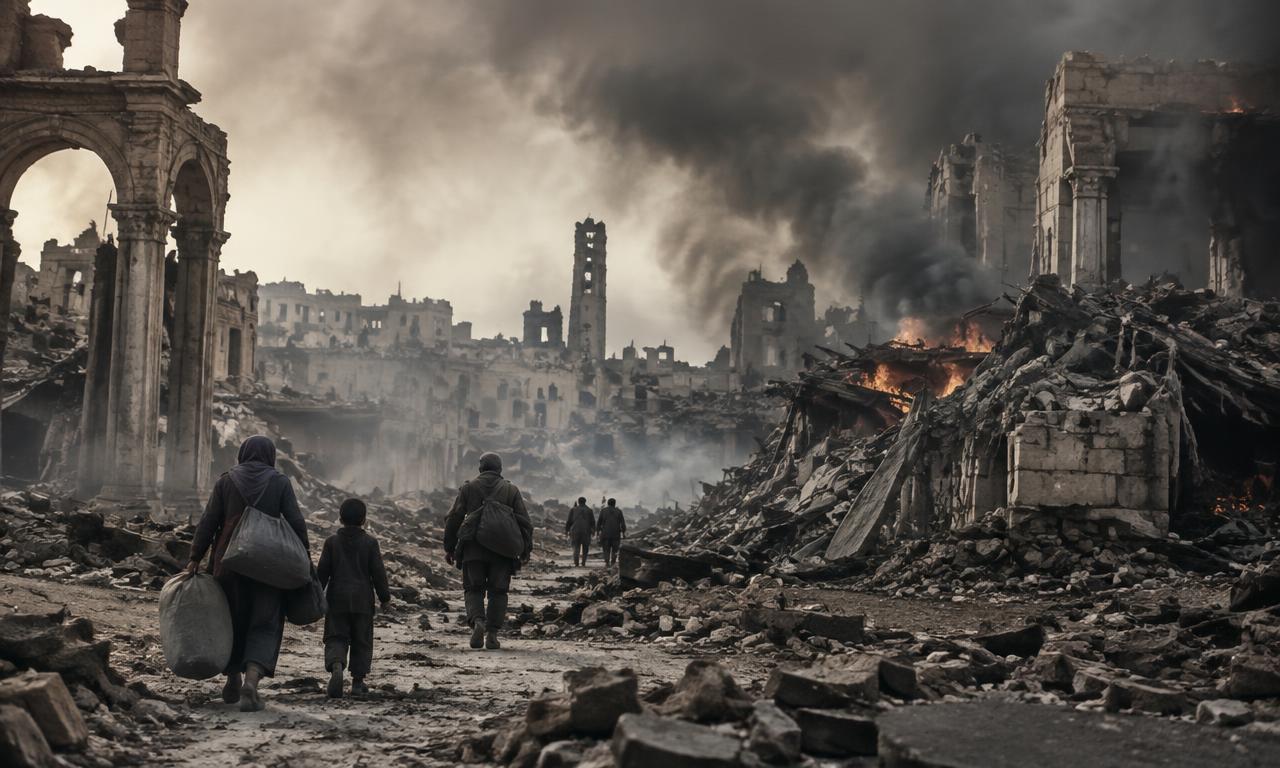
Amos saw terrifying previews of this divine intervention. He spoke of the sun setting at noon and broad daylight turning to darkness, evoking the memory of historic solar eclipses while pointing to ultimate cosmic distress. He described the Lord calling for the waters of the sea and pouring them across the dry land, shaking institutions and sweeping away corrupt structures like an unstoppable wave.

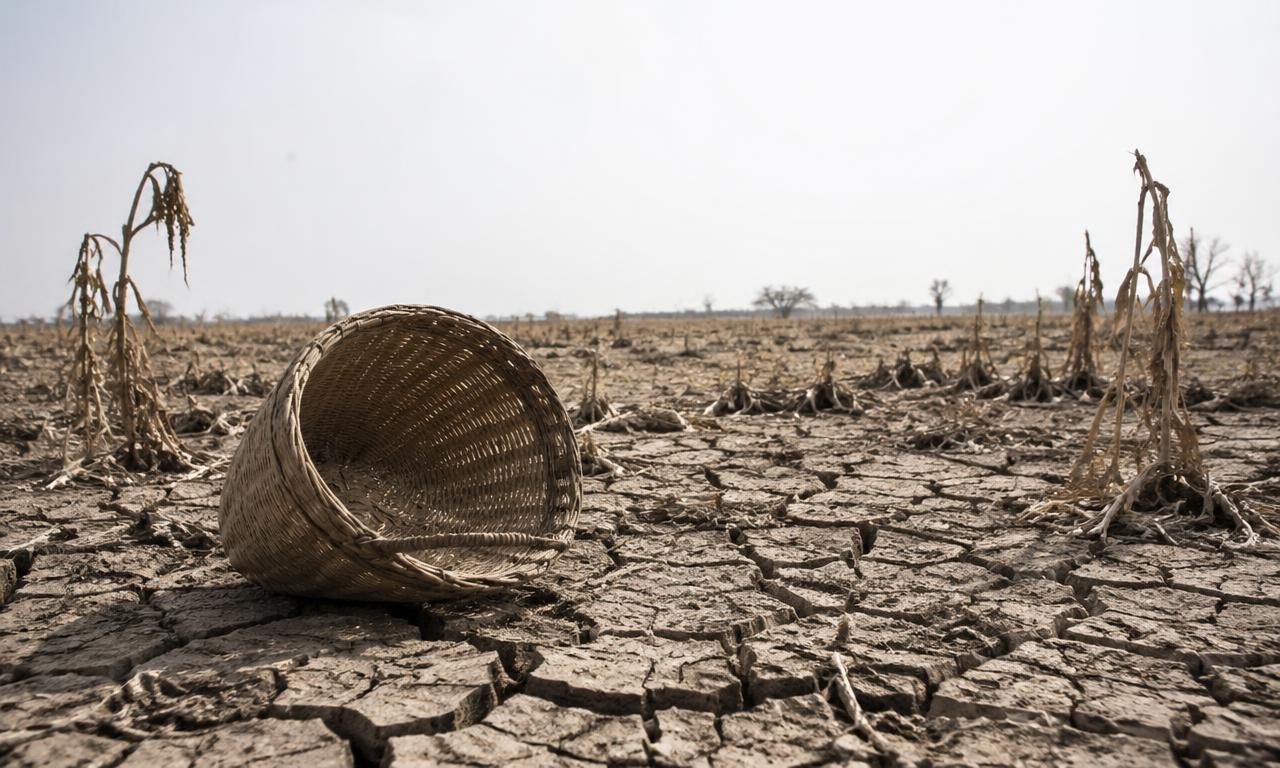
Most devastating of all was the warning of a spiritual drought. Days were coming when God would send a famine across the land—not a lack of physical bread or water, but a famine of hearing the words of the Lord. People would wander aimlessly from sea to sea, searching for an authentic word from God, but finding none. When truth is persistently rejected, God eventually gives society over to the silence it demanded.
Yet the book of Amos does not close in hopeless ruin. Beyond the judgment lies divine restoration. In chapter 9, God promises that in that future day He will raise up the fallen booth of David, repair its ruins, and regather His scattered people to plant them firmly in their land. God tears down corrupt human structures so that His everlasting kingdom of righteousness may stand.
Prepare to Meet Your God
The prophetic summons of Amos echoes with striking urgency for our time. We live in a world that mirrors ancient Bethel: extreme luxury coexisting with deep poverty, fraudulent practices disguised as commerce, and formal religion masking an absence of justice.
God's demand remains unchanged: "Let justice roll down like waters, and righteousness like an ever-flowing stream." The warning spoken through the shepherd of Tekoa stands as an enduring call across the centuries: "Prepare to meet your God." To stand before the Son of Man when the Day of the Lord arrives, our calling is to hate what is evil, cling to what is good, and walk in watchful prayer, anchored in the truth of His coming Kingdom.